

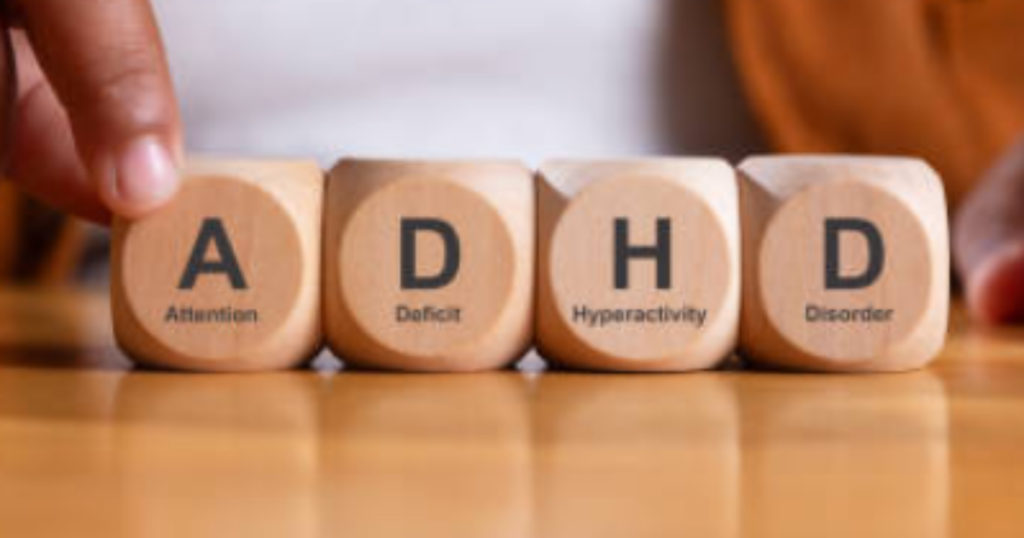
ADHD doesn’t disappear after childhood. For many, it was never diagnosed in the first place – particularly women, who present differently than the hyperactive boy that dominated early research on the disorder known as attention-deficit hyperactivity disorder. Adult ADHD resembles chronic disorganization, missed deadlines, impetuous choices, and the exhausting work to make a brain that doesn’t function as a neurotypical brain in systems designed for neurotypical functioning. The good news: ADHD in adults treatment has strong evidence behind it. Medication, behavioral therapy, and practical strategies for the environment all yield meaningful results – and the right combination can transform the way the world works.
Recognizing Adult ADHD Symptoms Beyond Childhood Stereotypes
Adult ADHD looks different than the hyperactivity in the classroom that most of us think of when we think of the diagnosis. According to the National Institute of Mental Health (NIMH), almost 4.4 percent of adults in the U.S. have ADHD, and most of them are undiagnosed. In adults, the behavior most often impacts one’s career, relationships, finances, and self-esteem, and is not an overt behavioral disruption.
How Inattention Manifests Differently in Adults
The adult inattention symptoms are sometimes internalized and easily confused with character flaws. Common signs include:
- Losing track of conversations in the middle of sentences
- Beginning a number of tasks and completing none of them
- Failing to complete deadlines, despite real effort and good intentions
- Forgetting appointments, bills, and commitments, over and over again
- Trouble reading lengthy documents or listening to lengthy instructions given verbally
- Hyperfocusing on interesting things and ignoring important but boring things
ADHD Diagnosis: Why Adults Often Go Undiagnosed
Many adults go through their thirties and forties – or beyond – before being diagnosed with an ADHD problem. Several factors account for this delay. High intelligence frequently makes up for executive function deficits until the demands outstrip the ability to cope. Inattentive ADHD produces no disruptive behavior and so tends to be flagged by teachers and parents. And many adults have developed elaborate work-around systems to cover the underlying condition until life circumstances change.
Common Misdiagnosis Patterns and What They Mean
Adults with undiagnosed ADHD are often misdiagnosed with other things due to the fact that the secondary symptoms are more visible than the actual diagnosis of ADHD. The most common patterns of misdiagnosis are:
- Anxiety disorder – chronic disorganization and avoidance of tasks lead to real anxiety that is treated without treating the underlying cause of anxiety, the ADHD
- Depression – the shame, exhaustion, and underperformance of unmanaged ADHD creates depression symptoms
- Bipolar disorder – the highs and lows of the hyperfocus periods and crashes of bipolar disorder can mimic the mood cycling of ADHD
- Personality disorders – impulsivity and emotional dysregulation are explained in terms of character rather than neurology
Medication Options for Managing Attention Deficit
Medication is the single intervention with the most evidence supporting its use in the treatment of ADHD, and going on will provide meaningful improvement in attention, impulse control, and executive function for the majority of people who try this approach to treatment. It is not a cure, it opens a neurological window in which the strategies of behavior can be more effective.
Stimulant vs. Non-Stimulant Approaches
The following table describes the two major types of medication used in the treatment of adult attention deficit disorder (ADHD):
| Class | Examples | How It Works | Best For |
| Stimulant | Adderall, Vyvanse, Ritalin | Increases dopamine and norepinephrine availability | First-line; most people; fastest onset |
| Non-stimulant | Strattera, Wellbutrin, Intuniv, Qelbree | Different mechanism; no abuse potential | Anxiety co-occurring, stimulant sensitivity, substance use history |
Behavioral Therapy Strategies That Reduce Focus Problems
Behavioral therapy for adult ADHD targets the skills and habits that aren’t created by medication alone. According to the American Psychological Association (APA), combined treatment—medication plus behavioral therapy—results in better outcomes than either alone, especially in the areas of executive function, organization, and relationship functioning. Core behavioral therapy approaches to adult ADHD include:
- ADHD coaching
- CBT adapted for ADHD
- Dialectical behavior therapy (DBT)
- Skills training
Practical Tools for Improving Attention and Reducing Impulse Control Issues
Practical tools only work as a system and not as individual hacks. Some of the techniques that always seem to work are:
- Time blocking—setting basic tasks in set time frames as opposed to working from an open to-do list
- External timers—using a visible timer in order to make abstract time concrete and create a sense of urgency to get something done
- Body doubling—working in the presence of another person, even virtually, which goes a long way in improving the initiation and follow-through of tasks
- Written capture system—one place that is trusted, where all tasks, commitments, and ideas are written down immediately, so working memory is not carrying the load
Environmental Modifications That Support Better Concentration
The environment is one of the most powerful and underused tools when treating adult ADHD. Changes that consistently have a positive effect on concentration include:
- Noise-canceling headphones/brown noise
- Single-tab browser and app blockers
- Dedicated work zones
- Physical movement prior to focused tasks
- Organizational systems for visuals
Getting Professional Support at Nashville Mental Health
ADHD in adults is treatable, and, with the correct combination of assessment and medication, therapy, and practical strategies, meaningful improvement in functioning and quality of life is achievable. Nashville Mental Health offers comprehensive ADHD treatment for adults, including proper diagnosis, medication management, and behavioral therapy that addresses the whole picture of how ADHD is affecting your life.
Contact Nashville Mental Health and begin building a treatment plan that actually fits how your brain works.
FAQs
Can ADHD medication work differently for adults than it does for children?
Yes, adults often need different doses, forms, and titration strategies than children because body weight, metabolism, and the executive functioning demands of adult life are all different. Adults are also more likely to have co-occurring conditions—anxiety, depression, or a history of substance use—that influence medication choice and possible need for non-stimulant alternatives or carefully managed stimulant protocols.
What executive function skills do adults with ADHD struggle with most at work?
Time management, more precisely, knowing how long something takes and moving from one task to another, and task initiation, more specifically, initiating tasks that are important but not intrinsically motivating for adults. functions that are most consistently reported by working adults with ADHD. Working memory deficits also present great difficulty in the workplace, as they impact the ability to keep instructions in one’s mind, multitask, and remember what was said at meetings.
How does behavioral therapy address impulse control without relying on stimulant medication?
Behavioral therapy focuses on impulse control by developing that pause-and-evaluate habit that in the brains of people with ADHD is more automatic than deliberate, through such techniques as stop signal training, written decision frameworks, and structured reflection practices that put a cognitive step between impulse and action. Over time, these practiced responses become more automatic so that impulsive behavior can be reduced even without the neurochemical boost that stimulant medication provides.
Why do women with adult ADHD get misdiagnosed more often than men?
Women with ADHD also more frequently present with inattentive symptoms than with hyperactive symptoms, which tend to be quieter, less disruptive, and not as consistent with the clinical stereotype of a person with ADHD; therefore, less likely to be flagged by their teacher, parent, or clinician. Women are also more likely to develop robust compensatory strategies that mask the symptoms of ADHD until they become overloaded, and their symptoms are more likely to be attributed to anxiety or depression instead of being investigated as a possible executive function disorder.
Which environmental modifications help reduce focus problems during remote work?
The most effective remote work modifications for adults with ADHD are app and website blockers that eliminate the path of least resistance of distraction, a physically dedicated and visually organized workspace used for focused work only, and scheduled body doubling—virtual co-working sessions or background video calls—that mimic the accountability of an office environment. Time blocking with visible timers and noise management with headphones or a consistent background audio stream make up the most impactful environmental changes.