Skip to content

Ramadan arrives each year like a soft lantern in the dark – warm, steady, luminous. It is a month of devotion, discipline, reflection, and community. Yet alongside its spiritual beauty, Ramadan can also bring emotional challenges: disrupted sleep, fasting-related fatigue, heightened sensitivity, intensified family expectations, and deep personal reflection that sometimes stirs old wounds.
This is why counseling for Ramadan has become an essential support for many Muslims seeking emotional balance during this sacred month. It offers a culturally aware, spiritually aligned space where fasting, faith, mental health, and daily life can be explored with compassion and wisdom.
Whether someone is navigating stress, seeking deeper connection, or needing guidance through grief, Ramadan-focused counseling provides grounding, clarity, and emotional nourishment – helping individuals honor both their spiritual duties and their mental well-being.
Foundations of Ramadan Mental Health Support
Ramadan affects the mind and body holistically. Sleep schedules change. Eating patterns shift. Energy cycles rise and fall in unique rhythms. Spiritual emotions become sharper. These shifts can heighten both inner peace and inner pressure.
Ramadan mental health support recognizes these dualities and centers the entire person – not just their symptoms.
Before moving into core goals, it helps to understand the foundation: mental well-being during Ramadan is not separate from faith. It is part of faith. The Prophet Muhammad (PBUH) emphasized the importance of emotional moderation, kindness to oneself, and caring for both mental and physical health. Counseling aligns with these values by offering guidance rooted in compassion, patience, and balance.
Core Goals of Holiday-Specific Counseling for Ramadan
Counseling during Ramadan is not about “fixing” someone – it’s about helping them move through the month with steadiness, insight, and inner alignment.
To illustrate how Ramadan-specific needs differ from general therapy, here is a brief comparison:
| Area of Focus | General Counseling | Counseling for Ramadan |
| Emotional patterns | Daily stressors, mood, trauma | Fasting fatigue, spiritual emotions, nighttime routines |
| Cultural context | General worldview | Islamic values, Ramadan rituals, religious sensitivity |
| Timing | Standard sessions | Adjusted to prayer/iftar schedules |
| Tools used | Cognitive/behavioral skills | Faith-integrated support, dua practices, mindful dhikr |
Fasting, Stress Management, and Emotional Balance During Ramadan
Fasting is an act of devotion, patience, and discipline. But long hours without food or water can naturally affect mood, energy, and emotional regulation. Many people report irritability, difficulty concentrating, or emotional sensitivity – all completely normal responses to the physical challenges of fasting.
Before introducing practical tools, it’s important to remember: feeling emotionally heavier while fasting is not a sign of spiritual weakness. It is simply the body adapting.
Practical Tools for Managing Fasting-Related Stress
Here are grounding techniques to help maintain emotional balance throughout the fasting day:
- Soft breathing calms the nervous system before the day begins.
- Lowering output during mid-afternoon when fatigue peaks.
- Replacing self-criticism with gentle reminders.
- Five-minute pauses throughout the day to regulate stress.
- Soft soundscapes, dimmer lights, and reduced noise help conserve mental energy.
- Proper hydration helps reduce emotional irritability and fatigue.
Even simple adjustments can significantly improve emotional regulation while fasting. A 2021 study published in Frontiers in Nutrition found that proper hydration before fasting begins reduces mood fluctuations and improves cognitive endurance during Ramadan.
Spiritual Counseling and Culturally Sensitive Therapy During Ramadan
Spiritual emotions often intensify during Ramadan. Many people feel closer to their faith, more reflective, or more aware of internal struggles. Counseling during this time becomes a bridge between spiritual desires and emotional needs.
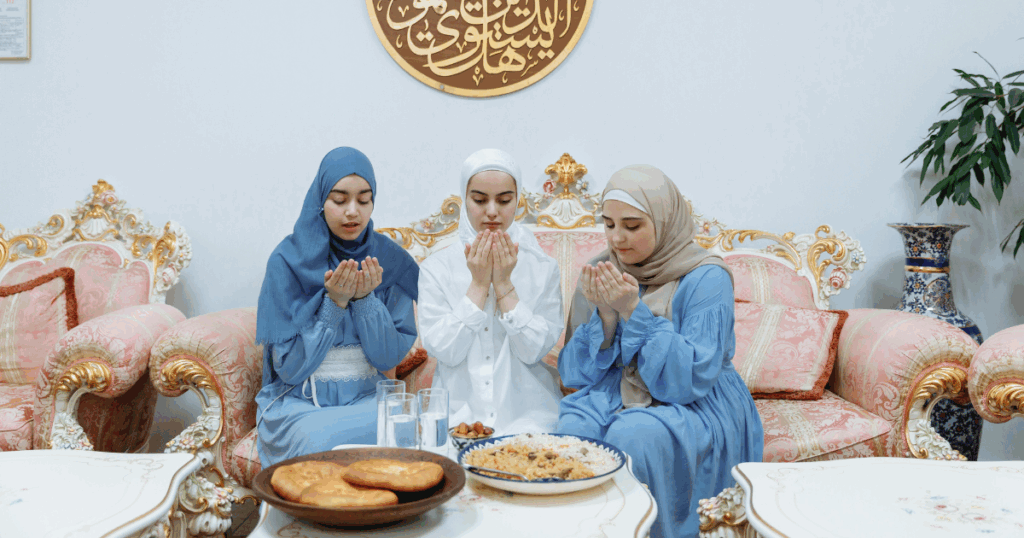
Before moving into integrated healing, it’s important to emphasize: culturally sensitive therapy during Ramadan is not simply about being “respectful.” It’s about deeply understanding Islamic values, fasting challenges, family dynamics, modesty, and the spiritual significance of the month.
Integrating Faith and Therapy With Holistic Healing
Here are meaningful ways therapy can blend with spiritual practice during Ramadan:
- Connecting coping skills to Islamic teachings
- Using dhikr (remembrance) as a grounding technique
- Encouraging intentional dua and reflection aligned with healing
- Supporting clients in managing guilt or spiritual pressure
- Helping balance religious commitments with mental health needs
- Exploring past triggers within a spiritual lens
- Honoring cultural variations in Ramadan traditions
Faith-centered therapy helps clients deepen both emotional stability and spiritual fulfillment. A 2018 review found that integrating spirituality into therapy significantly increases mental health outcomes for Muslim clients, especially during religious holidays.
Holistic counseling acknowledges the soul, mind, and body – weaving them together in a way that feels authentic and empowering.
Muslim Wellness Through Family Counseling and Community Care
Ramadan is deeply communal. Families gather for iftar, communities meet for taraweeh, and social bonds strengthen throughout the month. Yet these same bonds can also bring pressure, emotional expectations, or conflict.
Holiday-specific counseling helps individuals and families maintain harmony, express needs, and create healthier emotional dynamics.
Strengthening Family Bonds and Community Support Systems
To summarize how counseling strengthens family and community wellness, here is a helpful table:
| Area of Support | Counseling Benefit |
| Family communication | Reduces conflict and misunderstandings |
| Shared responsibilities | Lowers emotional burnout |
| Grief or emotional heaviness | Provides healing and coping tools |
| Cultural and religious differences | Encourages acceptance and unity |
| Community belonging | Strengthens emotional resilience |
Faith-Informed Support and Care With Nashville Mental Health
The sacred month of Ramadan is a time of devotion, reflection, and connection – but it can also stir emotions that deserve gentle care. Whether someone is feeling overwhelmed, seeking spiritual clarity, managing fasting-related stress, or navigating family dynamics, professional support can provide a steady spiritual and emotional anchor.
Nashville Mental Health offers counseling services designed with cultural respect, spiritual sensitivity, and evidence-based care. Their therapists understand the nuances of Ramadan and offer guidance that honors both mental health and Islamic values.
If you’re preparing for Ramadan or feeling the emotional weight of the month, compassionate support is available.
FAQs
What are effective strategies for Ramadan mental health support to ensure emotional balance during the holiday?
Effective support strategies include consistent sleep routines, mindful pacing during fasting hours, hydration during suhoor/iftar, and emotional check-ins. These practices help maintain emotional stability while supporting the spiritual goals of Ramadan.
How can fasting stress management techniques help maintain emotional balance during Ramadan?
Breathing exercises, mini-rest cycles, dhikr, and gentle stretching help regulate the nervous system during fasting. These techniques minimize irritability and fatigue, creating a calmer emotional experience.
In what ways can spiritual counseling during Ramadan benefit from culturally sensitive therapy approaches?
Culturally sensitive therapy respects Islamic values, rituals, and spiritual challenges. It integrates faith-based coping tools and helps clients connect emotional healing with their spiritual journey.
How does family counseling during Ramadan contribute to Muslim wellness and community care during the holiday?
Family counseling strengthens communication, reduces household tension, and helps families create balanced expectations. This contributes to greater harmony and emotional safety during the month.
What are some compassionate practices for handling grief and bereavement during Ramadan?
Compassionate practices include guided reflection, supportive dua, grounding exercises, and gentle counseling sessions. These approaches help individuals process grief while honoring the emotional sensitivity of the holy month.