Skip to content





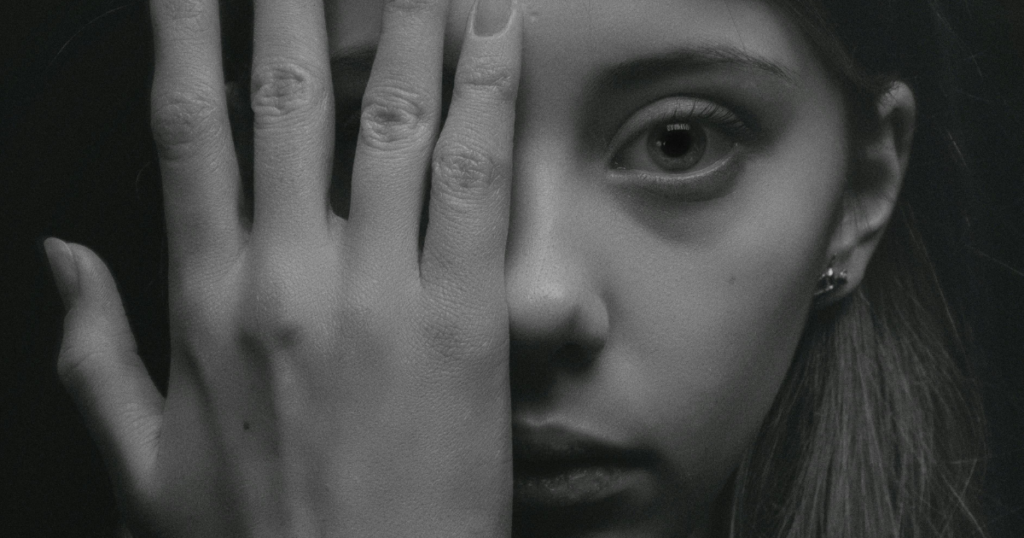
You walk into a coffee shop and immediately sense eyes on you. Your heart races. Your face flushes. You forgot what you came to order. Every person in the room seems to be staring, judging, and noticing every flaw. You know rationally that strangers in a coffee shop do not actually care about you—but your body responds as if you were being observed under a spotlight you cannot escape.
Scopophobia is the intense, persistent fear of being watched or stared at. This psychological phobia goes beyond normal self-consciousness to create genuine distress that can severely limit daily functioning. For those experiencing this anxiety disorder, everyday activities that involve being observed—shopping, eating in public, presenting at work, even walking down the street—become sources of dread rather than routine parts of life.
What Is Scopophobia and How Does It Manifest in Modern Life
Scopophobia belongs to the category of specific phobias, characterized by an irrational, excessive fear response to a particular stimulus—in this case, the experience or perception of being observed by others. Unlike general shyness, scopophobia produces intense anxiety that significantly interferes with normal activities and quality of life.
The Physical Symptoms of Being Watched
The fear of being watched triggers a cascade of physical symptoms as the body’s threat response activates:
- Cardiovascular changes. Racing heart, pounding pulse, chest tightness
- Visible distress signals. Blushing, sweating, and trembling that intensify self-consciousness
- Breathing disruption. Shortness of breath, hyperventilation, feeling unable to get enough air
- Cognitive impairment. Mind going blank, difficulty speaking, forgetting what you intended to say
- Gastrointestinal distress. Nausea, stomach churning, and an urgent need to leave
- Muscular tension. Stiff posture, frozen expression, difficulty with normal movement
The Connection Between Eye Contact Anxiety and Social Withdrawal
Eye contact anxiety represents a specific aspect of scopophobia—the intense discomfort experienced when meeting another person’s gaze. Eye contact creates the most direct form of being observed, and for those with scopophobia, even a brief mutual gaze can trigger overwhelming distress.
Why Direct Gaze Creates Panic in Some People
Direct gaze creates panic through several mechanisms:
- Eye contact signals mutual awareness—both parties know they are being observed
- The intimacy of eye contact feels exposing and vulnerable
- Looking away may seem rude, creating a trapped feeling
- Eye contact activates brain regions processing social threats.
- Past experiences of negative evaluation during eye contact reinforce fear
Avoidance Behavior: When Fear Takes Control of Your Choices
Avoidance behavior is the natural response to feared situations—if being observed causes distress, avoiding observation provides relief. However, this relief is temporary and comes at a high cost to functioning and quality of life.

How Avoidance Patterns Reinforce the Anxiety Cycle
Avoidance reinforces anxiety through a self-perpetuating cycle. When you avoid a feared situation, anxiety decreases temporarily, which reinforces avoidance as an effective strategy. However, avoidance prevents you from learning that the feared situation is actually manageable, maintaining the belief that observation is dangerous and that you cannot cope with it.
Recognizing When Avoidance Becomes Problematic
The following table distinguishes between normal caution and problematic avoidance:
| Normal Social Caution | Problematic Avoidance |
| Preferring smaller gatherings to large crowds | Refusing to attend any social events |
| Feeling briefly self-conscious when speaking publicly | Declining career opportunities requiring presentation |
| Choosing less visible seats when possible | Unable to eat in restaurants or cafeterias |
| Brief discomfort passing through crowded spaces | Unable to use public transportation or busy streets |
| Preparing extra for situations involving observation | Calling in sick to avoid meetings or classes |
| Some relief when leaving social situations | Structuring entire life around avoiding being seen |
Research published through the National Library of Medicine (NLM) confirms that avoidance behavior is a primary maintaining factor in anxiety disorders and that exposure-based treatments targeting avoidance produce significant symptom reduction.
Scopophobia and Panic Attack Triggers in Everyday Settings
Panic attack triggers for those with scopophobia often involve everyday settings where observation is likely or unavoidable. Common panic triggers include entering crowded spaces, being asked to speak in groups, eating or drinking while others might watch, performing tasks while being observed, and unexpected encounters with people who stop to talk.
The Role of Anxiety Disorder in Persistent Fear of Observation
Scopophobia may exist as a specific phobia or as part of a broader anxiety disorder pattern. Social anxiety disorder frequently involves fear of observation, as does agoraphobia in some presentations. Understanding whether scopophobia is primary or part of a larger anxiety picture guides treatment planning.
Distinguishing Between Normal Social Concern and Clinical Anxiety
Normal social concern becomes clinical anxiety when:
- Duration. Fear persists for six months or longer
- Intensity. The response is clearly disproportionate to the actual threat
- Impairment. Fear significantly interferes with work, relationships, or daily activities
- Distress. The fear itself causes significant suffering
- Recognition. Often, the person recognizes the fear is excessive but cannot control it
Practical Strategies for Managing the Fear of Being Watched
Managing scopophobia involves both immediate coping strategies for acute anxiety and longer-term approaches that address the underlying fear pattern.
Gradual Exposure Techniques That Actually Work
Gradual exposure involves systematically facing feared situations in a controlled, progressive way. Effective exposure for scopophobia might begin with imagining being observed, progress to being observed by trusted individuals, and gradually extend to more challenging public situations. Each successful exposure builds evidence that the feared outcome does not occur and that anxiety is manageable.
Cognitive Approaches to Reframe Being Observed
Cognitive reframing addresses the thoughts that maintain fear:
- Attention estimation. Recognizing that others pay far less attention to you than anxiety suggests
- Consequence evaluation. Assessing what would actually happen if someone did notice you
- Self-focus reduction. Shifting attention outward rather than monitoring your own performance
- Probability assessment. Evaluating how often feared outcomes actually occur
The American Psychological Association (APA) recognizes exposure therapy combined with cognitive techniques as the most effective treatment for specific phobias, with the majority of patients showing significant improvement.
Getting Professional Support at Nashville Mental Health
Professional support for scopophobia provides structured treatment that addresses both the fear response and the avoidance patterns that maintain it. Therapy offers a safe space to understand your fear, develop coping skills, and systematically face avoided situations with guidance and support.
At Nashville Mental Health, we specialize in anxiety disorders, including specific phobias like scopophobia. Our therapists use evidence-based approaches, including exposure therapy and cognitive behavioral techniques, to help clients overcome the fear of being watched and reclaim activities they have been avoiding.
Ready to stop letting fear of being watched control your choices? Contact Nashville Mental Health today to learn how professional treatment can help you overcome scopophobia and engage fully in daily life.
FAQs
1. Can scopophobia cause physical panic symptoms without an actual threat present?
Yes, scopophobia activates the body’s threat response system even when no objective danger exists, producing real physical symptoms, including racing heart, sweating, trembling, and difficulty breathing. The brain responds to perceived social threat similarly to physical threat.
2. How does eye contact anxiety differ from general social anxiety disorder?
Eye contact anxiety specifically involves discomfort with mutual gaze, while social anxiety disorder encompasses broader fears of social evaluation and judgment. Eye contact anxiety may be a component of social anxiety or may exist more independently as part of scopophobia.
3. Why do avoidance behaviors make fear of being watched progressively worse?
Avoidance prevents learning that feared situations are actually manageable and that anxiety naturally decreases with time. Each avoidance reinforces the belief that observation is dangerous and that you cannot cope, strengthening the fear over time.
4. What panic attack triggers are most common in public settings for scopophobia?
Common triggers include entering crowded spaces, being asked to speak, eating or drinking publicly, performing tasks while observed, and unexpected social encounters. Any situation involving actual or potential observation can trigger panic in severe cases.
5. How can cognitive reframing reduce anxiety about being observed in daily life?
Cognitive reframing challenges distorted beliefs about how much others notice you, what they think, and what consequences observation actually produces. Correcting these overestimations reduces the perceived threat and corresponding anxiety response.