Skip to content




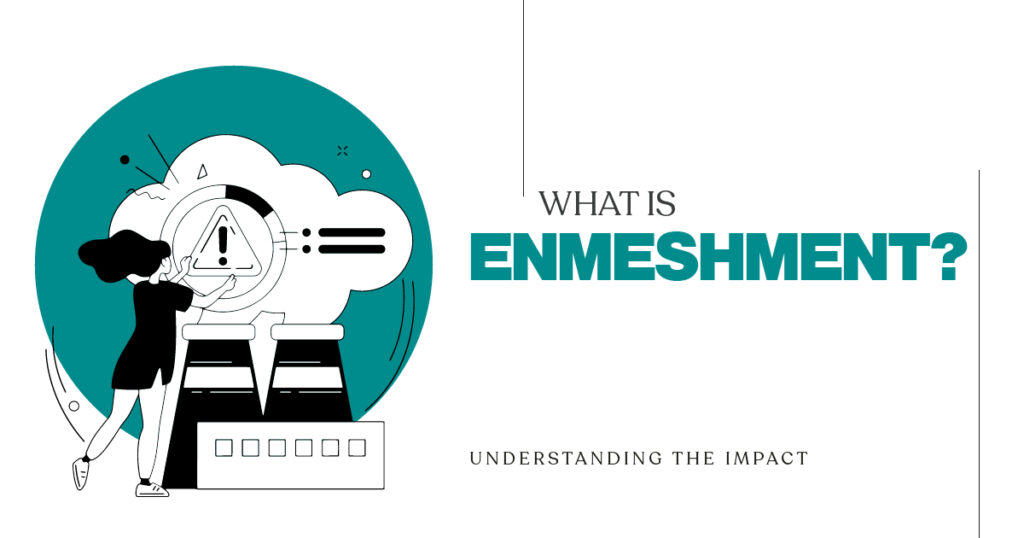
The dynamics of the family play a very significant role in shaping our personalities, how we associate with other people, and our emotional position. Nevertheless, there are occasions in which these relationships become unhealthy in a very subtle way, leading to a lack of boundaries and over-reliance on each other.
If you have ever questioned yourself about what enmeshment is, the reasons why it happens, and how it impacts families and individuals, then this guide will give you a clear picture of it. Identification of family enmeshment is the initial step towards establishing more balanced and healthy relationships.
What Is Enmeshment? Defining Unhealthy Family Dynamics
The definition of enmeshment is a type of family or relationship in which the boundaries of individuals are not well established, and identities are interrelated. Emotional intimacy in enmeshed families is extended to the point of suffocation of self-determination and development.
Although love and care are essential to the relationships within the family, emotional enmeshment goes beyond the boundaries when a member of the family affects the feelings, choices, or life decisions of the rest of the members through excessive influence or control.
The Difference Between Closeness and Codependency
There is a need to differentiate between healthy intimacy and codependency or enmeshed relationships. Close families do not interfere and value individuality. Conversely, enmeshment in relationships may be as follows:
- Excessive participation in personal decisions.
- Difficulty separating one’s own feelings from those of other family members.
- Pressure of conformity or emotional guilt.
- Healthy support promotes growth, and in many cases, enmeshment inhibits it.

Warning Signs You May Be in an Enmeshed Relationship
The symptoms of enmeshment are hard to detect, as the involved families tend to see their intimacy as affection. Some indicators include:
- Taking responsibility for others continuously.
- Absence of privacy or individual space.
- A problem with independent decision-making.
- Guilt-tripping.
- Excessive association with the issues of family members.
These trends can continue to exist in the background, affecting both the adults and the children. Psychology Today recommends the need to identify these warning signs in their initial stages in order to develop emotional independence.
How Emotional Enmeshment Affects Individual Identity
Emotional enmeshment may have a significant influence on the sense of self. Those who are brought up in enmeshed families have difficulties with:
- Low self-esteem.
- Inability to depend on their gut feelings.
- Guilt in claiming independence.
- Mixed intentions of family requirements and personal wants.
The lack of consistent boundaries leads to personal identity being mixed with family needs, causing problems in both personal and professional life over time.
The Long-Term Effects of Enmeshment on Relationships
The effects of enmeshment may go beyond the household. Adults raised in enmeshed families may suffer:
| Effects | Description |
| Difficulty forming healthy adult relationships | They may expect extreme closeness or control from partners, repeating family patterns. |
| Emotional burnout | Constantly prioritizing others’ needs leads to chronic stress and anxiety. |
| Poor conflict resolution skills | Avoiding disagreement or suppressing feelings becomes the norm. |
| Identity confusion | Struggle to establish personal goals or preferences independently. |
Over time, these effects can hinder emotional intimacy, professional growth, and overall well-being.
Enmeshment vs. Boundaries: Understanding the Distinction
Enmeshment and boundaries are the key differences in the creation of healthy relationships. Boundaries establish the divisions between individuals to promote autonomy and respect. Enmeshment disregards such separations and establishes dependency and emotional entanglement. With healthy boundaries, family members are able to:
- Be free in expression without criticism.
- Independent life choices.
- Keep personal distance and privacy.
- Encourage each other and do not control one another.
The awareness of the distinction helps people redefine their relationships without losing love and connection.
Practical Steps for Overcoming Enmeshment Patterns
The enmeshment is difficult to overcome, and this is possible with regular effort. These are steps to overcome enmeshment:
- Acknowledge the Pattern. The initial step towards change is acceptance.
- Set Clear Boundaries. Set the boundaries of what is acceptable in terms of personal space, choices, and privacy.
- Seek Professional Guidance. Strategies to be used in navigating family dynamics can be offered by therapists.
- Develop Emotional Independence. Get into hobbies, friendships, or activities that do not compromise your individuality.
- Communicate Assertively. State your requirements in a polite manner.
Such steps should be practiced on a regular basis, and this creates healthy, balanced relationships in the long run. To help with that, resources such as The National Child Traumatic Stress Network provide the strategies that help the family to create boundaries and emotional health.
Find Support for Healthier Boundaries at Nashville Mental Health
In case you or a loved one finds themselves in an enmeshed relationship, Nashville Mental Health offers caring expertise. Our team assists individuals and families in setting proper boundaries, recovering personal autonomy, and developing emotional resilience. Nashville Mental Health can help. Contact us today to get the support you need.
FAQs
What is the definition of enmeshment in families, and how does it differ from healthy family dynamics?
Enmeshment is a result of a situation in which the personal boundaries are erased, and the emotions and choices of family members are mixed. On the contrary, healthy family dynamics promote intimacy but allow individuality and autonomy.
What are the common signs of enmeshment, and how can they be identified in family relationships?
The most common signs of enmeshment are over-involvement in the decision-making of the individual, the formation of emotional guilt, the feeling of absence of privacy, and the inability to form an independent identity. In order to identify such patterns, there is a need to observe repetitive practices that restrain individuality.
How does emotional enmeshment affect individual well-being and family relationships?
Emotional entanglement may cause a lack of high self-esteem, anxiety, and confusion over individual identity. Relationships in the family can be restrictive or dominating and limit independence and development.
What effects does enmeshment have on personal relationships, and what challenges can arise?
Enmeshed family individuals might have problems with intimacy, have emotional burnout, and have difficulties in boundary setting or expressing needs separately. These challenges can also lead to repeated unhealthy patterns in romantic and professional relationships.
How can one differentiate between enmeshment and setting healthy boundaries within a family?
The enmeshment disregards individual boundaries and promotes dependency, with boundaries creating respect, self-sufficiency, and interdependence. Being aware of personal limits and encouragement of independence are major signs of healthy boundaries.