Skip to content
 Nashville Mental Health is a trusted luxury mental health facility serving Nashville and surrounding areas. Learn to manage intense emotions with DBT led by trained clinicians.
If you or someone you love is in immediate danger, call or text 988, or dial 911.
Skills are easier to learn than you think, and you will not learn them alone. Call (916) 587-6860 to reach Nashville Mental Health, or send a note from our Contact Us page to arrange a free, confidential conversation about whether DBT fits what you are facing.









DBT teaches distress tolerance, emotional regulation, mindfulness, and interpersonal effectiveness in a structured format. Our clinicians coach you through applying each skill in real situations.
EXCELLENT Based on 73 reviews
 Posted on Google
 alvin barettWould recommend this center for those looking for a place with great staff and treatment options.Posted on Google
 Tiana RyanGreat place! Good mix of relaxation/self care and therapy. Staff is caring and willing to help. Charles is a great guy to talk to! Overall would recommend to my friends and family.Posted on Google
 Manar Ismailim so thankful for everyone at Nashville Mental health for being so Supportive and making me feel like i were at home . And I would like thank the people that they have left big impact on me, Miss Cassandra Miss Juanita and cristin and Chris and Layla And also, my case manager At Mount Juliet Madeline And Jessica i love Everyone you guys So so much . You guys have Left a big impact on me Thank you so much From the bottom of my heart You guys The reason I’m still alive today .Posted on Google
 Kristina mercierNMH is a superior treatment center compared to the rest. Staff truly love their jobs and it's shown in their work and behaviors, I felt that everyone had my back every day I was here. If I ever need mental health treatment again, I would choose this place. Sarah and Melissa were my favorites!Posted on Google
 Careyanne ChamblissNashville Mental Health is a wonderful place to heal. Anyone who is struggling with mental health I would highly recommend this place. It is a small intimate environment and an amazing place to heal.Posted on Google
 Taj SternerNashville Mental Health is a great resource. It’s professional, welcoming, and genuinely focused on helping people feel supported. Definitely a valuable part of the community.Posted on Google
 Kevin MatusIt’s a wonderful place! The staff is great and the facilities is beautiful.Posted on Google
 Paige HatchThis has truly been a meaningful and rewarding experience for me. What makes NHM so special is the team. Every staff member brings compassion, dedication, and genuine care for the individuals we serve.Posted on Google
 Hunter MooreYou can tell the team genuinely cares. patients are treated like people, not just cases. From intake to discharge, every step of the process is handled with care, respect, and efficiency.Posted on Google
 Brian KellyI stayed at the Rutledge house and had probably the best experience of my life! Everyone there treated us fantastic. Think of it like a retreat where you can actually focus on yourself, without all of lifes hassles. I was in a dark place when I found this place. I am from Kentucky where places like this simply don't exist. They asked me some questions to make sure I qualified, and I'm glad I did! They helped me a lot and were able to get my medications right as well as give me a bunch of tools to help cope with society. They diagnosed me as well. I really can't speak highly enough. 5* for sure and I would add more if I could. If you're wanting to find yourself again and serious about your mental health, trust me, Don't hesitate!💯 😁 Edit: I went to the Murfreesboro location recently as well and feel obligated to express my appreciation there as well. Everyone treated me so nicely which allowed me to adjust and feel comfortable much faster. The staff was great as well as the amenities! These places allow smoking but in designated area so as to not interfere with people who do not choose to do so. A BIG thank you to everyone!!
We utilize a variety of treatment modalities to teach our patients the coping skills they need to find stability and discover their self-awareness.


Dialectical behavior therapy is built from four skill modules, taught in order and practiced until they hold up outside the therapy room. Each module answers a different question: how do I notice what is happening inside me, how do I survive the worst moments, how do I lower the temperature of an emotion, and how do I stay myself around other people.
Skill module | What it teaches | A moment you would use it |
Mindfulness | Noticing thoughts and feelings without instantly reacting to them | Catching anger as it rises, before it picks your words for you |
Distress tolerance | Riding out painful moments without making them worse | Getting through a 2 a.m. wave of panic without a destructive outlet |
Emotion regulation | Understanding what feeds an emotion and turning its volume down | Naming the real trigger behind a day that keeps unraveling |
Interpersonal effectiveness | Asking, refusing, and repairing without losing yourself or the relationship | Setting a boundary with family and letting it stand |
The modules are not abstract theory. Each one breaks down into named, teachable techniques, and your therapist assigns the ones that match the moments you actually struggle with. By the end of a stay, most people can tell you exactly which skill they reached for that morning and why.
DBT has an origin story worth knowing. The National Institute of Mental Health notes that dialectical behavior therapy was created specifically for borderline personality disorder, and that talk therapy remains the first-line treatment for that condition. The method earned its reputation with the people other approaches had given up on, then spread to mood disorders, trauma, and disordered eating because the skills turned out to be useful to almost everyone.
The word dialectical simply means holding two true things at once: you are doing the best you can, and you can still learn to do better. Every session here runs on that balance of acceptance and change, which is why the approach tends to feel respectful rather than corrective. Our clinicians match the modules to whichever of the conditions our Nashville team treats brought you in, and can fold in other methods from our Therapy Solutions column when a mix works better.

Individuals with eating disorders
A pattern is what qualifies you for DBT, not a particular diagnosis. If emotions arrive faster and louder than you can manage, if relationships keep breaking in the same place, or if you have been called too sensitive your whole life, this method was designed with you in mind. Recognizing yourself in one line above is reason enough to pick up the phone.
In DBT sessions at Nashville Mental Health, you will work with a therapist in a supportive and structured setting. You will learn and practice DBT skills, talk about your progress, and work through any problems you face.
Your therapist will guide you through exercises and give you homework to help you practice these skills in your daily life. Each session is tailored to fit your needs to help you get the best results.
Your therapist will also name which module you are working in at any given moment, so the structure never feels mysterious. People often say the map itself is a relief: for the first time, the chaos has categories.
Expect the first days to feel structured on purpose. Emotion that has been running the show for years does not hand over the keys quietly, and the schedule holds steady while the skills catch up.
Benefits like these arrive in a particular order for most people. The crisis behaviors quiet first, then the emotional weather steadies, and the relationship repairs come last because they depend on everything before them. Knowing the sequence keeps early progress from being mistaken for the finish line.
A skill practiced once a week fades. A skill practiced every day starts to feel like yours. In residential treatment, DBT runs through the whole schedule: a skills group in the morning, individual sessions that dig into the week’s hardest moments, and clinicians nearby for coaching at the exact instant an old pattern fires. Between sessions, the calmer rhythm of the house does quiet work of its own, with a private chef handling the cooking and a pet friendly policy so a companion animal can steady the harder days.
DBT rarely works alone here. Many residents pair it with cognitive behavioral therapy for the thought-level work, inside plans anchored by evidence-based therapy and shaped through individualized treatment that shifts as you make progress. Group formats such as process group therapy give the interpersonal module a live audience to practice on.
For adults who cannot step away from work or family, the Virtual Intensive Outpatient Program teaches the same modules by secure video to residents across Tennessee, with the same homework and the same coaching between meetings.
There is no waiting list ritual and no referral requirement. Four steps stand between you and the work:
Our phones answer day and night, and nobody expects a polished explanation.
The admissions team runs your insurance verification and translates the benefits into plain numbers.
A clinician listens for where the four modules meet your actual life and drafts a starting plan.
Most people begin within days, and same-day admission stays open for moments that will not wait.
Every step is reversible except the good ones. Asking questions commits you to nothing.
One phone call can put a plan behind the effort you are already making. Dial (916) 587-6860 or message us from the Contact Us page, and a real person will talk you through the options without any push to decide on the spot.
Dialectical Behavioral Therapy at Nashville Mental Health provides valuable tools to help you manage emotions, improve relationships, and live a more balanced life. If you or someone you know could benefit from DBT, we encourage you to take the next step.
Expect a steady rotation: skills groups where the modules are taught, individual sessions where they meet your real situations, and informal coaching whenever a hard moment lands. Residential treatment weaves all three through each day, so the gap between learning a skill and needing it stays short.
No. The method began there, and it remains a gold standard for personality disorders, but the same skills help with bipolar disorder, trauma responses, and any life where emotions overwhelm the tools on hand. Your assessment determines whether DBT leads your plan or supports it.
PPO policies commonly include benefits for DBT when it is delivered within residential or virtual programs, and the details differ from plan to plan. Send us your information through insurance verification and our team will spell out exactly what yours covers before any commitment is made.
Cognitive behavioral therapy targets the thoughts behind your feelings, while DBT concentrates on the feelings themselves and the skills to manage them. Our article comparing DBT and CBT walks through the distinction in depth, and many treatment plans here use both.
Yes, and it usually helps. The interpersonal module lands better when the people you practice with know the vocabulary, so relatives are invited into family and group therapy sessions where the same skills get taught from their side of the table. Couples and parents often tell us the shared language changes arguments before treatment even ends.
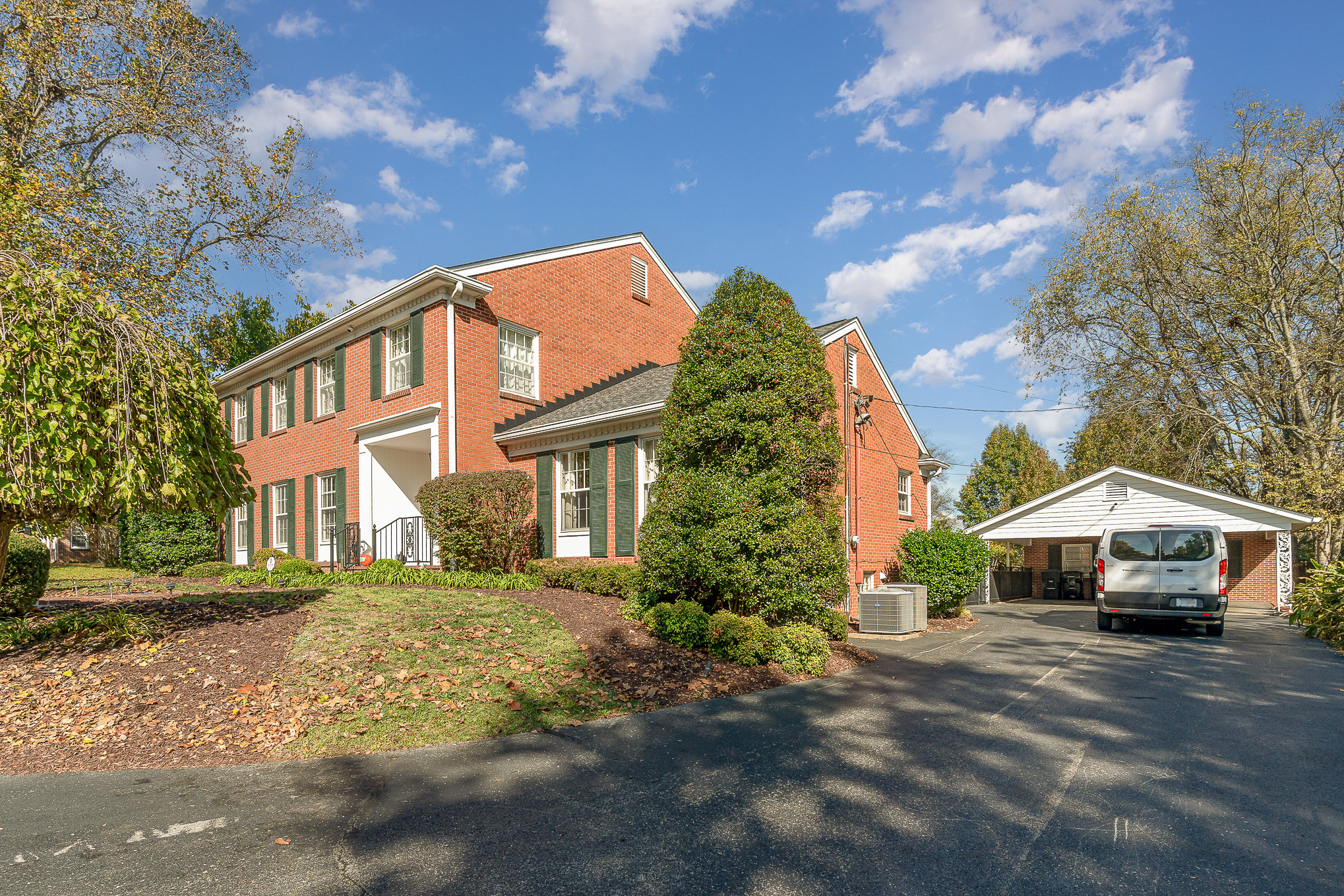
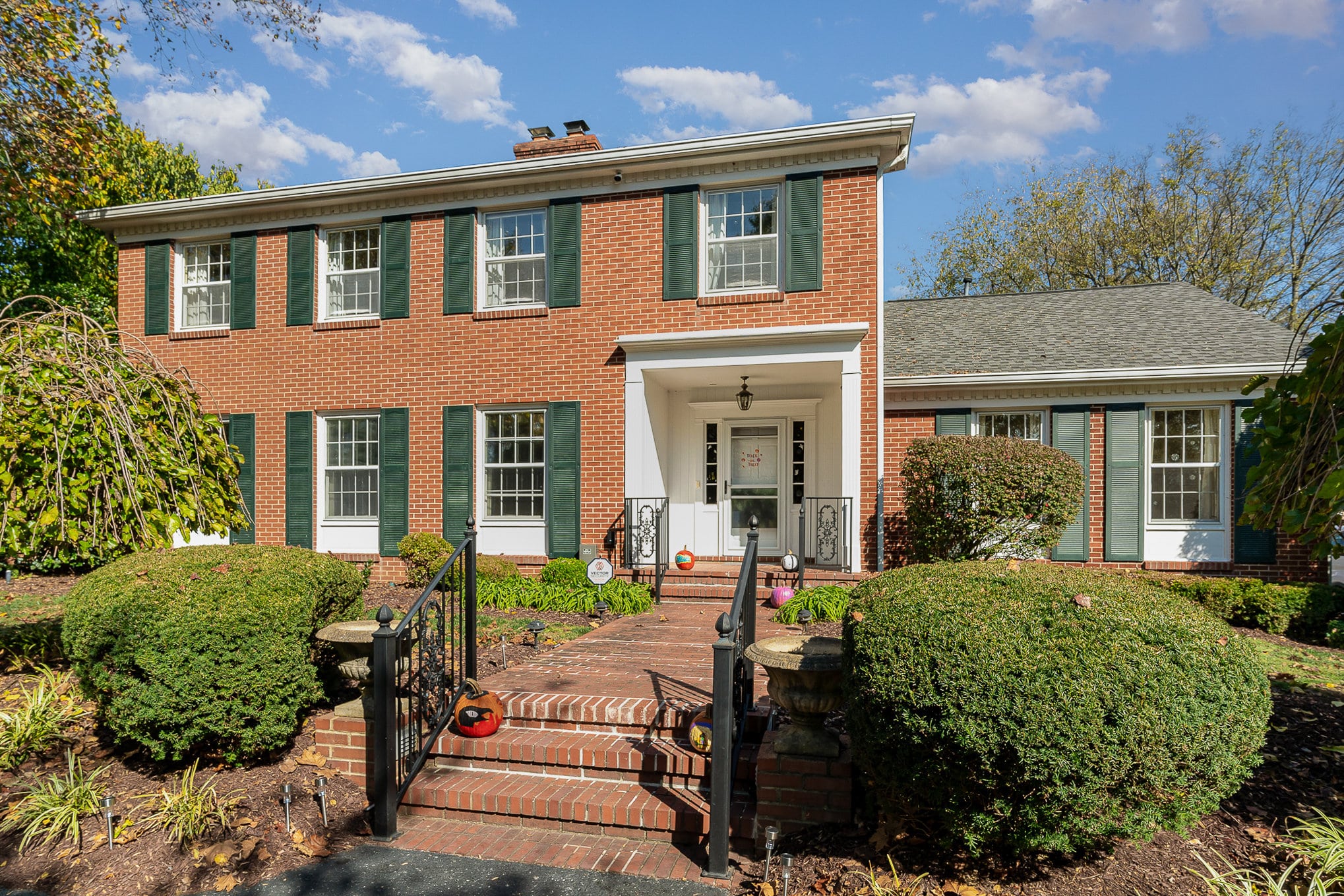
Practicing new skills is easier with fewer alarms going off around you. Our residential setting near Murfreesboro keeps the noise of the city at arm’s length while staying an easy drive for people coming in from Nashville, Franklin, greater Davidson County, and towns across the midstate, and virtual sessions carry the same skills training to every corner of the state.
Questions are welcome around the clock at (916) 587-6860, and you can browse every Tennessee community within our reach.