Skip to content





Extreme anxiety doesn’t announce itself politely. It crashes into your chest like a freight train, floods your mind with worst-case scenarios, and convinces you that something terrible is about to happen—even when nothing objectively dangerous is present. Your heart races, your breathing becomes shallow, and the world narrows to a single overwhelming sensation: fear. For many people, these episodes feel like losing control of both body and mind, and the unpredictability of when they’ll strike can be as distressing as the episodes themselves.
The good news is that severe anxiety symptoms are highly treatable, and you don’t have to navigate this alone. Understanding what’s happening in your brain and body during these episodes—and knowing which interventions actually work—can transform overwhelming anxiety and stress from a life-dominating force into something manageable. Whether you’re experiencing your first intense episode or you’ve been struggling for years, effective help exists.

What Extreme Anxiety Actually Feels Like
Everyday worry feels like background noise—a nagging concern about an upcoming deadline or a fleeting “what if” thought. Extreme anxiety, by contrast, feels like an alarm system that won’t shut off. The physical symptoms of extreme anxiety are often the first clue: a pounding heart that feels like it might burst through your chest, tightness that makes it hard to breathe deeply, dizziness that makes you grip the nearest surface, and waves of nausea or stomach pain.
The cognitive symptoms are equally intense. Intrusive thoughts loop relentlessly—”What if I’m having a heart attack?” “What if I lose control in public?” “What if this never stops?” Catastrophic thinking takes over, turning minor concerns into life-or-death scenarios. Concentration becomes nearly impossible; you might read the same sentence five times without absorbing a word. Recognizing these patterns is the first step toward addressing what causes intense anxiety and seeking appropriate care.
The Biological and Environmental Roots of Severe Anxiety
Anxiety disorders involve a hyperactive stress response system. The amygdala—your brain’s threat-detection center—becomes oversensitive, triggering fight-or-flight reactions to situations that aren’t genuinely dangerous. Neurotransmitters like serotonin, norepinephrine, and GABA fall out of balance, making it harder for your brain to regulate fear and calm itself down.
Several factors commonly trigger or worsen severe anxiety symptoms:
- Trauma history, including childhood adversity, abuse, or witnessing violence, which can prime the nervous system for heightened reactivity
- Chronic stress from work demands, financial pressure, or caregiving responsibilities that never let your body fully recover
- Major life transitions such as moving, job loss, divorce, or the death of a loved one, which disrupt your sense of safety and predictability
- Medical conditions including thyroid disorders, heart arrhythmias, or chronic pain, which can mimic or exacerbate anxiety symptoms
Understanding the difference between panic attack vs anxiety attack is also important. A panic attack is a sudden, intense surge of fear that peaks within minutes, often with no clear trigger, and includes symptoms like chest pain, shortness of breath, and a sense of impending doom. Without treatment, this condition can escalate from manageable worry to overwhelming episodes that interfere with work, relationships, and daily functioning.
Immediate Relief Strategies When Overwhelming Anxiety Strikes
When extreme anxiety hits, your priority is to interrupt the escalation cycle. The 5-4-3-2-1 grounding technique can help anchor you in the present moment: identify five things you can see, four things you can touch, three things you can hear, two things you can smell, and one thing you can taste.
Box breathing is another powerful tool for how to calm severe anxiety in the moment. Inhale slowly through your nose for a count of four, hold your breath for four, exhale through your mouth for four, and hold again for four. Repeat this cycle for several minutes. This pattern activates your parasympathetic nervous system, which counteracts the fight-or-flight response and signals to your body that it’s safe to relax.
| Technique | How It Works | When to Use |
|---|---|---|
| 5-4-3-2-1 Grounding | Engages sensory awareness to interrupt racing thoughts | During panic or dissociation |
| Box Breathing | Activates parasympathetic nervous system to reduce physiological arousal | When heart rate or breathing accelerates |
| Progressive Muscle Relaxation | Releases physical tension by systematically tensing and relaxing muscle groups | When body feels rigid or locked up |
| Cold Water Exposure | Triggers dive reflex, slowing heart rate and shifting focus | For rapid de-escalation of acute episodes |
It’s critical to know when to seek help for anxiety at an emergency level. If you experience chest pain that doesn’t resolve with breathing exercises, thoughts of self-harm, or symptoms so severe you cannot function, call 988 to reach the Suicide & Crisis Lifeline or go to the nearest emergency room. These resources are available 24/7 and are staffed by trained professionals who understand crisis-level distress.
Building Long-Term Resilience Against Severe Episodes
While crisis techniques provide immediate relief from extreme anxiety, sustainable recovery requires addressing the underlying patterns. Cognitive-behavioral therapy (CBT) is one of the most effective anxiety disorder treatment options, teaching you to identify and challenge the distorted thought patterns that drive catastrophic thinking. Through CBT, you learn to test your fears against reality, gradually reducing the power they hold over you.
Exposure therapy, a specialized form of CBT, involves gradually facing feared situations in a controlled, supportive environment. Over time, your nervous system recalibrates, and the intensity of your fear response diminishes.
Dialectical behavior therapy (DBT) offers another evidence-based approach, particularly helpful for those whose episodes are linked to emotional dysregulation. DBT teaches distress tolerance skills—how to ride out intense emotions without making them worse.
Medication as Part of Integrated Treatment
Medication plays an important role in stabilizing brain chemistry so that therapeutic strategies can take hold. Selective serotonin reuptake inhibitors (SSRIs) and serotonin-norepinephrine reuptake inhibitors (SNRIs) are commonly prescribed for anxiety disorders and typically take several weeks to reach full effectiveness. Benzodiazepines may be used short-term for acute episodes, though they carry risks of dependence and are not a long-term solution.
| Medication Class | Primary Use | Typical Timeline |
|---|---|---|
| SSRIs/SNRIs | Long-term symptom management and prevention | 4–6 weeks for initial effect, 3–6 months for full benefit |
| Benzodiazepines | Short-term acute episode relief | Works within 30–60 minutes, not for long-term use |
| Beta-Blockers | Physical symptom control (heart rate, tremor) | Works within 1 hour, used as-needed or daily |
| Buspirone | Alternative for those who cannot take SSRIs | 2–4 weeks for noticeable effect |
Professional Treatment Options That Actually Work
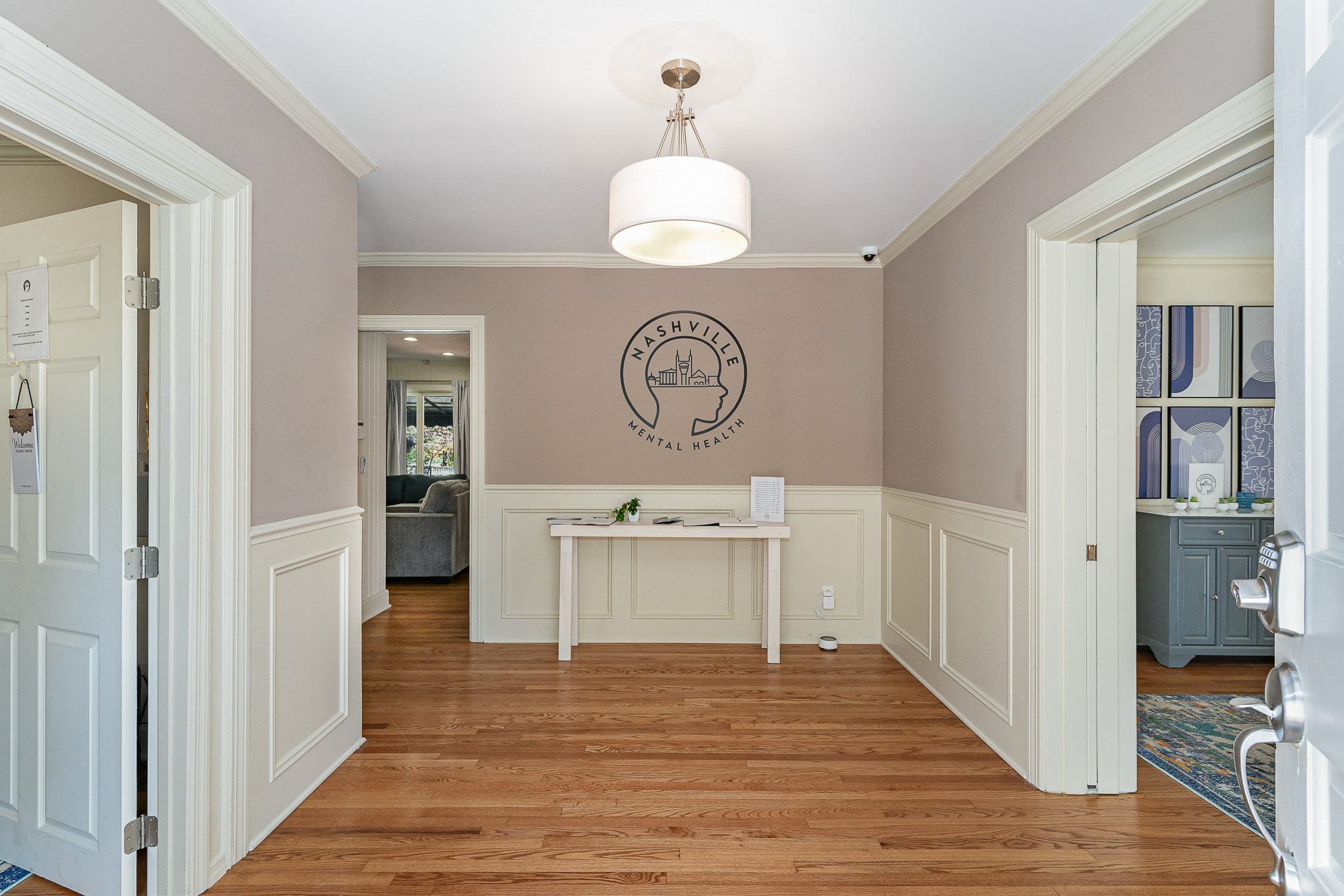
If you’re in the Nashville area and struggling with extreme anxiety, specialized care is available close to home. Evidence-based treatment combines multiple approaches tailored to your specific symptoms, history, and goals. The most effective programs integrate therapy, medication management when appropriate, and skills training to address both the immediate crisis and the underlying vulnerability.

Finding Calm in the Storm at Nashville Mental Health
Living with extreme anxiety doesn’t mean accepting a life defined by fear. With the right combination of crisis tools, therapeutic support, and lifestyle adjustments, most people see significant improvement within weeks to months. If you’re ready to reclaim your life from overwhelming worry and physical symptoms, Nashville Mental Health offers compassionate, evidence-based care designed to meet you where you are. Our team understands the urgency of severe symptoms and works quickly to connect you with the support you need.
FAQs
Here are answers to the most common questions we hear from people experiencing severe anxiety symptoms.
1. What’s the difference between a panic attack and an anxiety attack?
A panic attack is a sudden, intense surge of fear that peaks within minutes and includes symptoms like chest pain, shortness of breath, dizziness, and a sense of impending doom, often with no clear trigger. An anxiety attack, though not a formal diagnostic term, typically refers to a more gradual buildup of worry and tension in response to a specific stressor, with symptoms that may be less acute but longer-lasting.
2. Can extreme anxiety go away on its own without treatment?
While some people experience temporary relief during less stressful periods, untreated anxiety disorders typically persist or worsen over time. Professional intervention significantly improves outcomes and prevents the development of secondary issues like depression or substance use.
3. How long does it take for anxiety treatment to work?
Many people notice some improvement within four to six weeks of starting therapy or medication, though full symptom relief often takes three to six months. The timeline varies based on symptom severity, treatment consistency, and individual factors like co-occurring conditions.
4. Will I need medication for severe anxiety or can therapy alone help?
Treatment planning is highly individualized. Some people achieve full recovery through therapy alone, while others benefit from a combination of medication and therapy, particularly when symptoms are severe or have been present for years. A thorough evaluation with a psychiatrist or therapist can help determine the best approach for your specific situation.
5. What should I do if my anxiety is so bad I can’t leave my house?
Telehealth therapy and psychiatric services allow you to access professional care from home, which can be a crucial first step when agoraphobia or severe symptoms make in-person appointments feel impossible. If you’re in immediate crisis or experiencing thoughts of self-harm, call 988 to reach the Suicide & Crisis Lifeline for 24/7 support and crippling anxiety relief.