Skip to content





Key Takeaways
- The first hours are mostly paperwork and questions, not the dramatic scenes films have shown you.
- You will be checked physically as well as mentally, because a thyroid problem or an infection can look like a mental health crisis.
- Most stays are short. Days, usually, and discharge planning starts almost immediately.
- Voluntary and involuntary are not the same thing, and in Tennessee, the involuntary route has strict legal steps.
- You keep your rights the whole time, including the right to know what you are being given and why.
It’s one in the morning, and you’re sitting in a waiting room in a lit-up area with a plastic bag containing your phone and your shoelaces. An hour ago, someone said the word admission. No one has said what’s next and it’s awful not knowing.
We will discuss the operations of a psych ward, from the intake desk to the initial psychiatric evaluation, medication management, daily routine, your rights as a patient, and what “aftercare” means. We’ll also cover the differences between voluntary and involuntary admission.
The Admission Process: From Arrival to Assessment
Admission to a psych ward is more like it is in real life than people think. Lots of sitting and waiting for someone to be free and lots of relaying the same story to different people. If you think that you are being ignored, that is not true; most of the time, it is just a determination of whether or not inpatient treatment is appropriate.
Initial Intake and Documentation Requirements
The paperwork part is the intake, and if you know what’s coming, it’s not so clinical. Typically, staff will complete the following.
- Your identity, insurance details, and an emergency contact they may speak with.
- Consent forms and if you came in of your own free will, the form that states so.
- A list of all medicines you take and the dosage, if you can remember.
- A search of all belongings (anything hazardous will be secured and held for you until you are discharged).
- Some brief questions on safety, substance use, and why you are here tonight.
Medical and Psychiatric Screening Procedures
Then there’s the medical component, which many people would expect to be entirely mental. This will involve blood tests, a urine test, blood pressure and a physical exam. Medications, withdrawal, head injuries, infections, and thyroid issues can all present with psychiatric emergency symptoms, and no one wants to treat the wrong diagnosis.
The Psychiatric Evaluation During Your First 24 Hours
A psychiatrist will typically see the patient the following day (or hours) if not sooner. This discussion is not a usual appointment and is likely to rehash what you’ve talked about in the past: Your past, your family, your sleep, and the days since. It’s not to trick you. They are creating a clear enough picture to treat.
What Clinicians Are Actually Assessing
Beneath the chit chat, a psychiatric assessment is simultaneously observing a few particular factors.
| What They Look At | Why It Matters |
| Immediate safety | Determines the level of supervision and duration of stay. |
| Mood and sleep | Discriminates between depression, mania, and normal tiredness. |
| Substances and medication | Withdrawal and side effects can fuel the entire crisis. |
Medication Management and Treatment Planning
Drugs are often started and changed on the first day or two and you have the right to be told what each one is, what it treats, and what the side effects are. The days blur together, so write the answers down. The dosage may be changed more than once during the short period of a visit, and staff checks for response immediately, not waiting weeks between visits.
Daily Structure and Routine in Acute Psychiatric Care
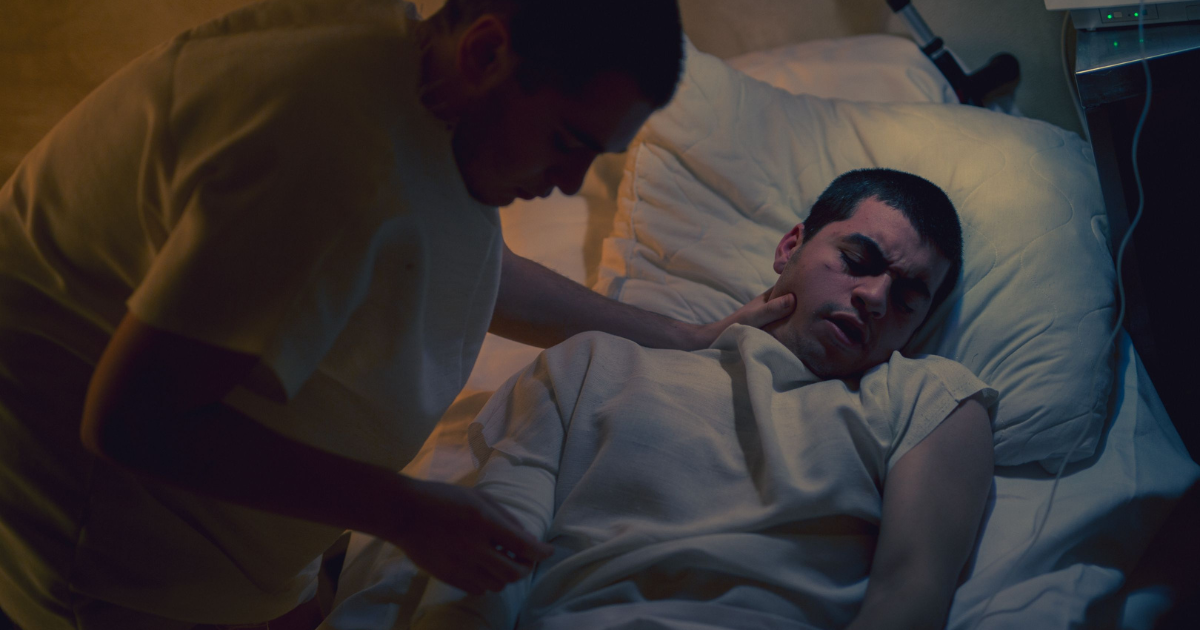
Acute psychiatric care runs on a schedule, and the schedule is doing real work. Meals, medication, groups and lights out are at specified times and although it sounds strict, it’s much easier to have a day when you don’t have to make decisions.
How Your Schedule Supports Recovery
The days take shape and typically the first thing to return is sleep, which most of the rest depends on. Staff checks in throughout the day, food is delivered, whether or not you feel like eating, and quiet times are incorporated. It may sound like a dull exercise and in fact, it is just that, as a nervous system that’s been running hot requires a break when nothing much is happening.
Therapeutic Activities and Group Sessions
Groups take up most of the daylight hours, whether it’s coping skills, education about taking medication, art, or just moving. It is not necessary to say anything – many sit quietly on the first day or two. There will be less 1-on-1 time with a therapist than people think, so prepare questions to ask.
Rights, Restrictions, and Involuntary Commitment Protocols
Your rights are not taken away upon admission. In most situations, one can refuse treatment, request a second opinion and view one’s own records. There is a very limited exception, and it is legal – involuntary commitment. Tennessee law allows for emergency detention only when the individual is mentally ill and is found to represent a “substantial likelihood of serious harm” to others or himself, and a certificate of need has been completed by a qualified professional. The threshold is high, and the process is reviewed rather than left to one person’s judgment.
Crisis Stabilization: How Behavioral Health Facilities Respond to Mental Illness Treatment
There lies a difference between a behavioral health facility and a three-day fix. The reason for inpatient care is to get you through, to get you to sleep, to help with your meds and to hand you off to the next level of care. The National Institute of Mental Health describes that next step as ongoing outpatient treatment, which is where the longer work actually happens.
Transitioning Out: Discharge Planning and Aftercare at Nashville Mental Health
Discharge planning starts earlier than you might imagine – on day one – as it is as pertinent as what you do on the unit. The first week after a psych ward visit is a crucial time, and follow-up in the first 7 days is important. That is where Nashville Mental Health steps in, with therapy, medication management, and outpatient care for you and for the family trying to help. Reach out today to get started!
FAQs
-
How long does a psychiatric evaluation typically take during inpatient treatment?
The first full evaluation usually runs between forty-five minutes and two hours, depending on how much history there is to cover. Shorter check-ins happen daily after that, so the assessment is a running process instead of one long interview.
-
Can family members attend therapy sessions in a behavioral health facility?
Often yes, though it depends on the unit and on whether you have signed a release allowing staff to speak with them. Family sessions are usually arranged later in the stay, once things have settled and discharge planning has started.
-
What happens if someone refuses medication during acute psychiatric care?
In most cases, refusal is allowed, and staff will talk through the reasons and look for an alternative that feels acceptable. Medication can only be given over someone’s objection in narrow emergency situations, and those situations have legal rules attached.
-
Are there differences between voluntary admission and involuntary commitment at psychiatric hospitals?
Yes, and the difference is mainly about how you leave. A voluntary patient can request discharge, though staff may ask for a short notice period, while an involuntary hold runs on a legal timeline with reviews built into it.
-
How soon after admission can patients contact family or leave the mental illness treatment facility?
Phone access usually opens within the first day, though calls are limited to set hours and mobile phones are often held for you. Leaving depends on your admission status and on the team agreeing that you have a safe place to go.
References
- Tennessee Department of Mental Health and Substance Abuse Services. Certificate of need for emergency involuntary psychiatric hospitalization. State of Tennessee. https://www.tn.gov/content/dam/tn/mentalhealth/documents/New%20CON%20Training%20-%20Webinar.pdf
- National Institute of Mental Health. Help for mental illnesses. National Institutes of Health. https://www.nimh.nih.gov/health/find-help
- Substance Abuse and Mental Health Services Administration. Find support. U.S. Department of Health and Human Services. https://www.samhsa.gov/find-support