Skip to content
 Nashville Mental Health is a trusted luxury mental health facility serving Nashville and surrounding areas. Recover with compassionate, judgment-free care in a private residential setting.
If you or someone you love is in immediate danger, call or text 988, or dial 911.










Our team addresses the thoughts, emotions, and trauma behind disordered eating, not just the behaviors. You will be supported every step of the way by clinicians who understand recovery.
Disordered eating almost never shows up by itself. In the National Institute of Mental Health’s survey data, the large majority of adults with bulimia or binge eating disorder, and over half of those with anorexia, also met criteria for at least one other mental health condition, most often anxiety. That is exactly why our eating disorder treatment in Nashville lives inside a full mental health treatment program: both struggles get treated together, by the same team.
No one should have to carry this quietly. Contact Nashville Mental Health at (916) 587-6860 or visit our Contact Us page for a free, confidential assessment, with no pressure and no obligation.
EXCELLENT Based on 73 reviews
 Posted on Google
 alvin barettWould recommend this center for those looking for a place with great staff and treatment options.Posted on Google
 Tiana RyanGreat place! Good mix of relaxation/self care and therapy. Staff is caring and willing to help. Charles is a great guy to talk to! Overall would recommend to my friends and family.Posted on Google
 Manar Ismailim so thankful for everyone at Nashville Mental health for being so Supportive and making me feel like i were at home . And I would like thank the people that they have left big impact on me, Miss Cassandra Miss Juanita and cristin and Chris and Layla And also, my case manager At Mount Juliet Madeline And Jessica i love Everyone you guys So so much . You guys have Left a big impact on me Thank you so much From the bottom of my heart You guys The reason I’m still alive today .Posted on Google
 Kristina mercierNMH is a superior treatment center compared to the rest. Staff truly love their jobs and it's shown in their work and behaviors, I felt that everyone had my back every day I was here. If I ever need mental health treatment again, I would choose this place. Sarah and Melissa were my favorites!Posted on Google
 Careyanne ChamblissNashville Mental Health is a wonderful place to heal. Anyone who is struggling with mental health I would highly recommend this place. It is a small intimate environment and an amazing place to heal.Posted on Google
 Taj SternerNashville Mental Health is a great resource. It’s professional, welcoming, and genuinely focused on helping people feel supported. Definitely a valuable part of the community.Posted on Google
 Kevin MatusIt’s a wonderful place! The staff is great and the facilities is beautiful.Posted on Google
 Paige HatchThis has truly been a meaningful and rewarding experience for me. What makes NHM so special is the team. Every staff member brings compassion, dedication, and genuine care for the individuals we serve.Posted on Google
 Hunter MooreYou can tell the team genuinely cares. patients are treated like people, not just cases. From intake to discharge, every step of the process is handled with care, respect, and efficiency.Posted on Google
 Brian KellyI stayed at the Rutledge house and had probably the best experience of my life! Everyone there treated us fantastic. Think of it like a retreat where you can actually focus on yourself, without all of lifes hassles. I was in a dark place when I found this place. I am from Kentucky where places like this simply don't exist. They asked me some questions to make sure I qualified, and I'm glad I did! They helped me a lot and were able to get my medications right as well as give me a bunch of tools to help cope with society. They diagnosed me as well. I really can't speak highly enough. 5* for sure and I would add more if I could. If you're wanting to find yourself again and serious about your mental health, trust me, Don't hesitate!💯 😁 Edit: I went to the Murfreesboro location recently as well and feel obligated to express my appreciation there as well. Everyone treated me so nicely which allowed me to adjust and feel comfortable much faster. The staff was great as well as the amenities! These places allow smoking but in designated area so as to not interfere with people who do not choose to do so. A BIG thank you to everyone!!
We utilize a variety of treatment modalities to teach our patients the coping skills they need to find stability and discover their self-awareness.


Only a qualified professional can diagnose an eating disorder, but certain changes are worth paying attention to in yourself or a loved one. They can be emotional, behavioral, or physical, and they often overlap:
Preoccupation with food or weight – Thoughts about eating, body shape, or appearance begin to take up more and more of the day.
Distress around mealtimes – Eating, especially with others, feels stressful, and meals may be skipped or approached with anxiety.
Withdrawal from others – Social plans, particularly those involving food, start to feel overwhelming and are avoided.
Rigid or secretive routines – Eating follows strict, private rules that feel very difficult to break.
Shame or low self-worth – Feelings about food or body become closely tied to how a person values themselves.
Physical and emotional changes – Noticeable shifts in energy, mood, sleep, or concentration without another clear cause.
Recognizing a few of these does not confirm a diagnosis, but it is a good reason to talk with a professional. The earlier support begins, the smoother recovery tends to be.
Free, specialized support is one call away.
The National Alliance for Eating Disorders runs a free, confidential helpline staffed by licensed therapists at (866) 662-1235, Monday through Friday, 9 a.m. to 7 p.m. ET. For round-the-clock support, call or text 988.
Each condition wears a different face, though the pain underneath is often similar. Understanding the differences can make the first conversation easier.
Condition | What it can feel like | What care focuses on |
|---|---|---|
Anorexia Nervosa | An intense fear around eating paired with a harsh inner critic about body and self | Rebuilding a sense of safety with food while quieting that critical voice |
Bulimia Nervosa | A repeating cycle of feeling out of control around food, then overwhelmed by shame | Interrupting the cycle and treating the emotions underneath it |
Binge Eating Disorder | Episodes of eating that feel impossible to stop, followed by guilt and secrecy | Restoring a steadier, judgment-free relationship with eating |
Diagnosis belongs to a clinician, and plenty of people do not fit neatly into a single category. Treatment here begins with your story, not your diagnosis code.
There is no single path to recovery, so we build each program around the individual. In our Nashville residential setting, you live on-site in a safe, 24/7 stabilization environment where clinical support is always close by, so you can put your energy into healing rather than simply getting through the day. Every plan is personalized, evidence-based, individualized, and trauma-informed, and it is adjusted as your needs change.
Our residential treatment program surrounds you with care in a calm, home-like setting. With 24/7 confidential support on hand, you are never facing a hard moment alone, whether it arrives at midday or in the middle of the night.
CBT helps you notice and gently reshape the thoughts that fuel disordered eating, building healthier and more flexible ways of relating to food and to yourself.
DBT adds practical skills for managing intense emotions, tolerating distress, and strengthening relationships, tools that help most when feelings start to feel overwhelming.
When it is clinically appropriate, medication management is coordinated by our team as one part of your plan, always alongside therapy and never as a stand-alone fix.
Healing involves more than talk therapy, so our holistic approach weaves in supportive options such as music and art therapy to help you reconnect with yourself in a gentler way.
Recovery is stronger with connection. Through family group therapy and peer groups, loved ones learn how to help, and you build a community that understands what you are going through.
And More
Some people need distance from the kitchen table where the struggle lives; others need to stay close to work, school, or children. Living on campus offers round-the-clock steadiness while meals, therapy, and rest follow a predictable rhythm. Our Virtual Intensive Outpatient Program serves the second group, carrying structured sessions over secure video to wherever in Tennessee you live. A clinician helps you weigh which starting point honestly fits the season of life you are in.
On campus, even meals are part of care: a private chef cooks them, support sits close at hand, and eating becomes practice rather than a test. Between them, the day moves through individual sessions, group work, and genuine downtime, because rest is treatment too. Progress gets reviewed each week, and the plan bends as you do.
Choosing to look for help is already progress. Contact Nashville Mental Health at (916) 587-6860 or visit our Contact Us page for a free, confidential assessment, with no pressure and no obligation.

Choosing where to seek help is a big decision, and you deserve a team that treats you with compassion rather than judgment. Here is what sets Nashville Mental Health apart:
Care is guided by licensed clinicians and medically reviewed by Dr. Jason Miller, so you are always in qualified, caring hands.
Every plan is built around your needs, history, and goals rather than a one-size-fits-all formula.
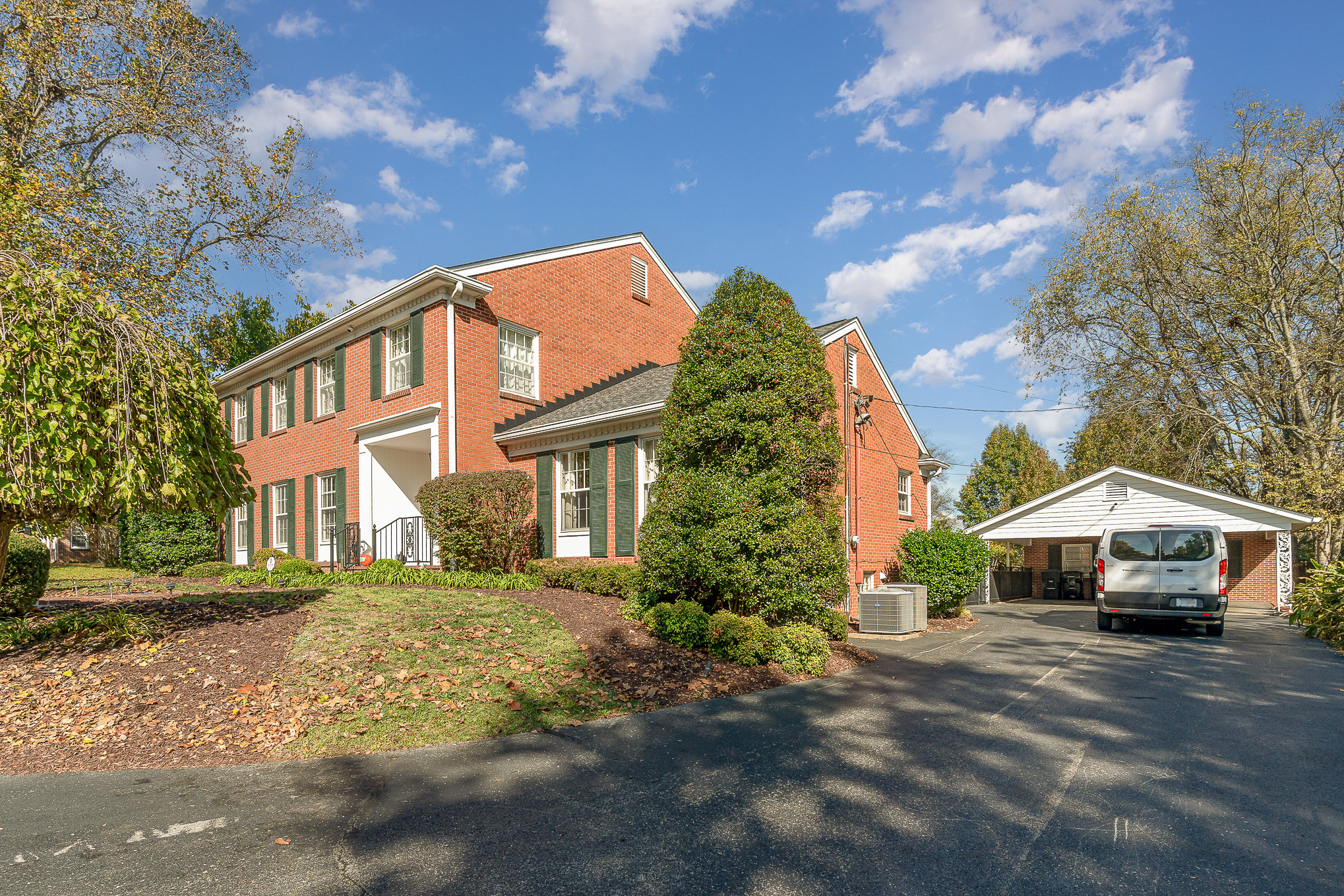
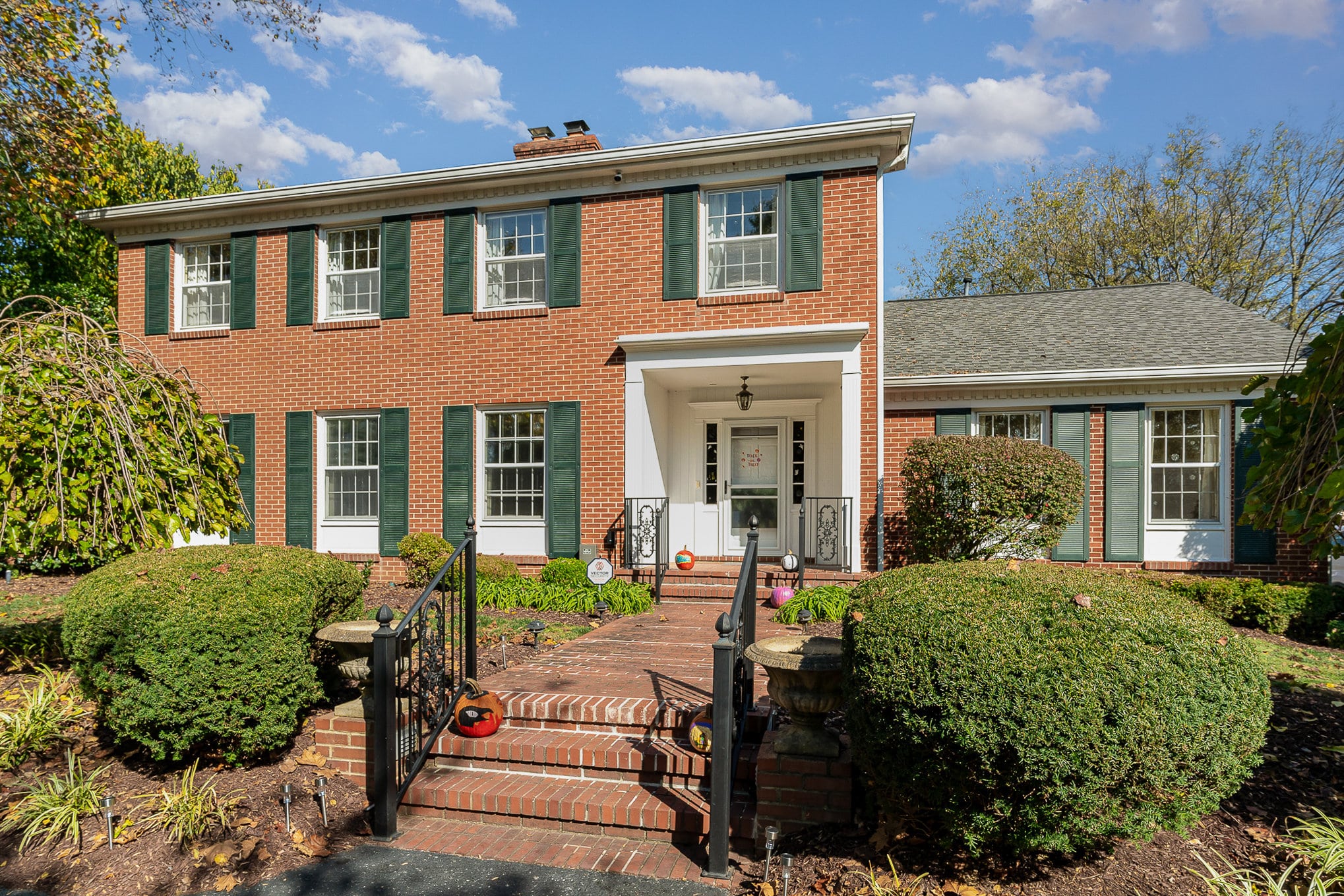
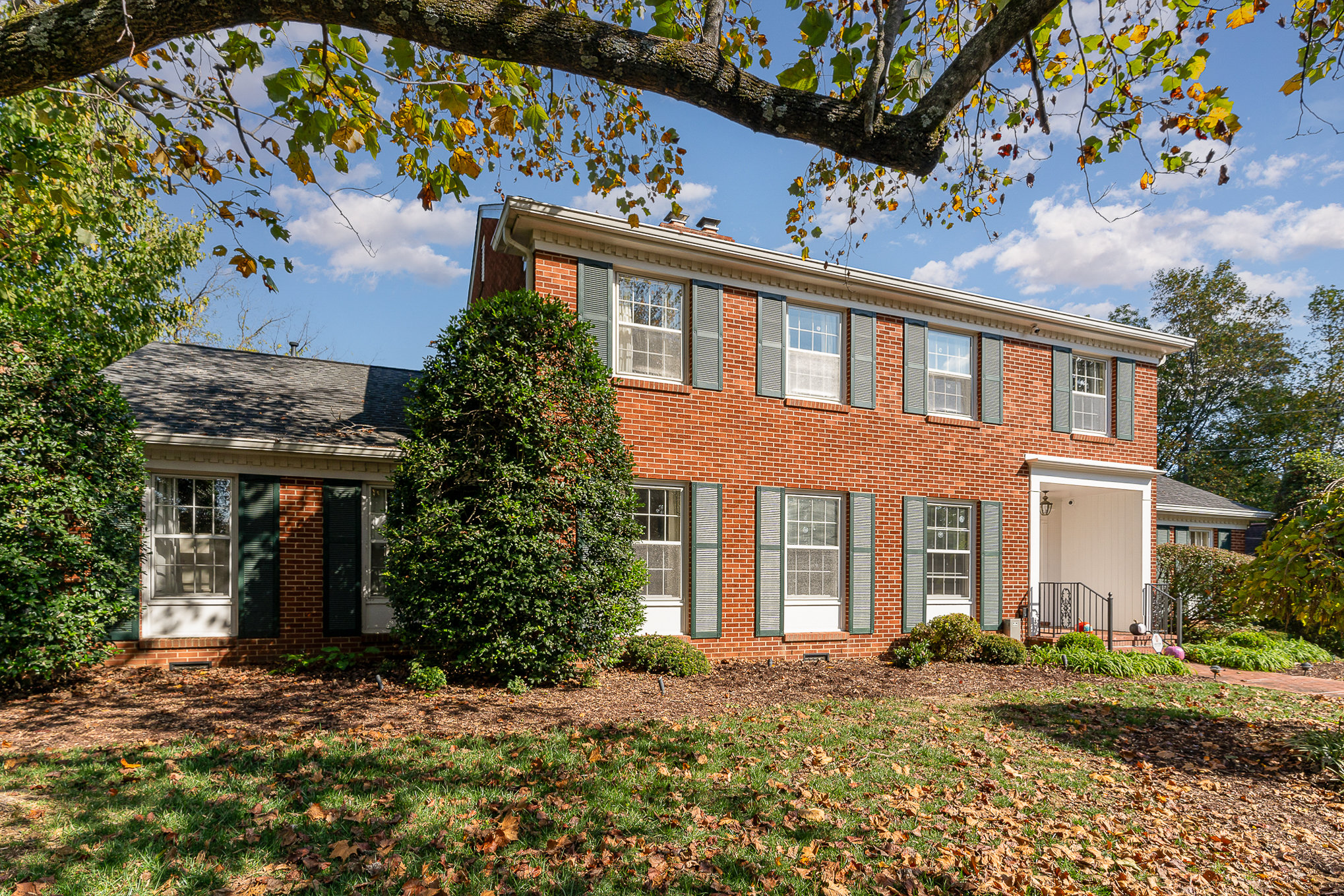
Treatment happens in a calm, welcoming, pet-friendly residential facility, because comfort and a genuine sense of home support healing.
We provide accredited care and accept many insurance plans. Our team will verify your insurance and answer your questions before you commit to anything.
Recovery has to survive ordinary days, so treatment builds the skills those days demand: managing stress without turning it against yourself, keeping routines steady when emotions are not, and naming hard moments out loud instead of hiding them.
Alongside individual and group sessions, holistic supports such as music and art therapy give feelings an outlet that words cannot always reach. The setting matters too, which is why daily life here feels closer to a home than a hospital.
The first call is a conversation with a real person, available around the clock, and nothing about it commits you.
Our insurance verification specialists deal with your PPO plan directly so you never have to decode a policy document.
A confidential assessment covers your history with food, your overall mental health, and what you want back.
Admission to our Murfreesboro-area residence can happen the same day, and virtual starts move just as fast.
Loving someone with an eating disorder can feel like standing outside a locked door. Pushing rarely opens it; steady, informed support sometimes does. If mealtimes at home have turned tense or a person you care about keeps shrinking from the table, calling on their behalf is welcome here, and our weekly family program teaches families what genuinely helps once treatment begins.

Psychiatry treatment also includes practical support for stress management, pain management, and coping with stressful life events. These strategies enhance quality of life and help individuals manage mental illness, mental health symptoms, and behavioral health services on a day-to-day basis.
Our form of treatment often integrates music therapy, pet therapy, physical fitness therapy, and individual psychotherapy, creating a safe space for self-expression and growth. Whether through grief counseling, marriage counseling, or addiction recovery support, our programs help clients address emotional pain, body image concerns, and difficulties within relationships.
We care for adults 18 and older, both men and women, seeking eating disorder treatment in Nashville and across Tennessee, whether for themselves or for someone they love.
We treat anorexia, bulimia, and binge eating disorder, along with co-occurring conditions such as anxiety, depression, and trauma.
Yes. Our residential treatment program provides a safe, 24/7 environment with clinical support always nearby. Adults who need to stay home can start with the Virtual Intensive Outpatient Program instead.
We accept many insurance plans. The easiest way to check your coverage is to verify your insurance with our team.
Often right away. We offer 24/7 confidential support and can arrange same-day admissions when your situation calls for it.
Yes. We are a pet-friendly facility, because familiar comfort can be a meaningful part of feeling safe and settled during recovery.
Absolutely. Family involvement is encouraged through family group therapy and our weekly family program.

Recovery often starts with a short drive. Our campus is tucked into the Murfreesboro area, an easy trip from Nashville, Franklin, and across Davidson County, and secure video sessions bring the same clinicians to adults anywhere in the state.
Call (916) 587-6860 before you set out, or browse the Tennessee communities our care extends to.

A healthier, calmer relationship with food and your body is possible, and support is closer than you think. Connect with our caring team through our Contact Us page or call (916) 587-6860 to begin your recovery in a safe, welcoming environment.