Skip to content





You meet someone new, and the chemistry is electric. Your heart races when they text, you replay conversations in your mind for hours, and suddenly, they’re all you can think about. Understanding what’s the difference between lust and love in these moments becomes genuinely confusing. For many people, especially those managing anxiety or healing from past trauma, the intensity of early attraction can feel overwhelming. When your nervous system is already heightened by mental health challenges, distinguishing between a dopamine rush and a genuine emotional connection becomes even harder.
The difference between the two feelings from a clinical perspective matters because mistaking one for the other can lead to painful relationship choices, repeated patterns of disappointment, or staying in connections that don’t serve your well-being. Mental health conditions like anxiety disorders, depression, and unresolved trauma significantly impact how we perceive attraction and attachment. These conditions can make obsessive thinking feel like devotion, intensity feel like intimacy, and physical chemistry feel like soulmate connection. This article explores the neurological and psychological distinctions between what’s the difference between lust and love, examines how mental health challenges distort our perception of both, and provides practical guidance for developing emotional clarity.

What’s the Difference Between Lust and Love: Brain Chemistry and Attachment
From a neurological standpoint, what’s the difference between lust and love comes down to which brain systems are activated and which neurochemicals are released. Lust is primarily driven by the brain’s reward system, flooding your neural pathways with dopamine and norepinephrine—chemicals involved in excitement, risk-taking, and addiction that create intoxicating euphoria when you’re near someone you’re physically attracted to. This dopamine surge activates brain regions associated with motivation and reward-seeking behavior. The focus during lust is predominantly physical: sexual attraction, idealized physical features, and the anticipation of physical intimacy. This state serves an evolutionary purpose related to reproduction, but doesn’t necessarily involve knowing the person deeply or caring about their emotional well-being beyond how they make you feel.
Love, by contrast, activates different neural pathways and involves oxytocin and vasopressin—hormones associated with bonding, trust, and long-term attachment released during physical touch, emotional vulnerability, and consistent positive interactions over time. These chemicals create feelings of safety, calm, and deep connection rather than just excitement, engaging brain regions linked to empathy, emotional regulation, and long-term planning. It involves recognizing the timeline: lust can ignite immediately upon meeting someone, while love develops gradually through shared experiences, vulnerability, conflict resolution, and seeing someone’s authentic self in various circumstances. Both emotional states can coexist in healthy relationships—understanding emotional attachment vs physical attraction shows they aren’t mutually exclusive—but they serve fundamentally different psychological needs, with lust seeking pleasure and novelty while love seeks security, partnership, and mutual growth.
| Aspect | Lust | Love |
|---|---|---|
| Primary Brain Chemicals | Dopamine, norepinephrine (reward/excitement) | Oxytocin, vasopressin (bonding/attachment) |
| Timeline | Immediate, intense from the start | Develops gradually over months |
| Focus | Physical attraction, sexual chemistry, idealized image | Emotional intimacy, shared values, and authentic connection |
| Emotional Quality | Excitement, urgency, obsessive thinking | Safety, calm, consistent care, and respect |
| Stability | Fluctuates with novelty and physical presence | Remains steady through challenges and distance |
How Anxiety and Trauma Distort Your Perception of Attraction
When you live with anxiety disorders, the difference between lust vs love can become blurred because anxiety heightens physical sensations and emotional urgency. Racing heart, obsessive thoughts, and hyper-awareness can feel like a deep connection, making it hard to separate emotional attachment from physical attraction. This intensity often reflects anxiety-driven hypervigilance rather than genuine romantic love, especially when you’re trying to understand how to know if it’s love or infatuation while managing mental health symptoms.
Trauma and attachment patterns can also distort healthy vs unhealthy attraction, especially when early experiences taught the nervous system to associate love with instability. In these cases, calm relationships may feel “boring,” while chaos feels like chemistry, complicating the difference between infatuation and real love. Depression and low self-worth can further amplify this, making even small attention feel like deep love, which is why recognizing obsessive attraction warning signs is so important.
- Constant urgency to contact them or panic when they don’t respond
- Mood heavily dependent on their attention or availability
- Feeling most “connected” during conflict, distance, or reconciliation
- Confusing jealousy, possessiveness, or drama with passion or care
- Spending excessive time analyzing their behavior or building fantasies about the relationship
Warning Signs Your Attraction Has Become Obsessive or Unhealthy
Clinical markers of signs of lust vs love help distinguish early attraction from obsessive patterns that may require attention when exploring the difference between lust and love. Obsessive attraction often involves intrusive thoughts that disrupt daily life, constant phone checking, compulsive contact-seeking, and emotional distress when there’s no response. A key indicator is identity loss, where you abandon routines, friendships, or values, and may confuse attachment to a real person with a fantasy version of them.
Limerence is a more intense form of obsessive attraction, marked by emotional dependency, intrusive thinking, and extreme highs and lows based on small signals. Unlike how to know if it’s love or infatuation, it is driven less by intimacy and more by the need for reciprocation and idealized connection. Codependency can further blur healthy vs unhealthy attraction, as caretaking or “rescuing” replaces mutual love, often leading to staying in harmful dynamics. Recognizing these patterns is essential in understanding the difference between infatuation and real love.
| Pattern Type | Key Characteristics | Clinical Concern Level |
|---|---|---|
| Healthy Infatuation | Frequent thoughts about the person, but can focus on other responsibilities; excitement without anxiety | Normal early attraction |
| Limerence | Intrusive thoughts most of the day; fear of rejection dominates; emotional dependency on reciprocation | Moderate—may benefit from therapy |
| Love Addiction | Pattern of obsessive relationships; uses romance to avoid other life issues; withdrawal symptoms when single | High—requires professional treatment |
| Trauma Bonding | Strongest attachment after conflict; excuses harmful behavior; intensity mistaken for passion | High—trauma-informed therapy needed |
| Codependency | Identity based on partner’s needs; caretaking mistaken for love; inability to maintain boundaries | Moderate to high—therapy recommended |
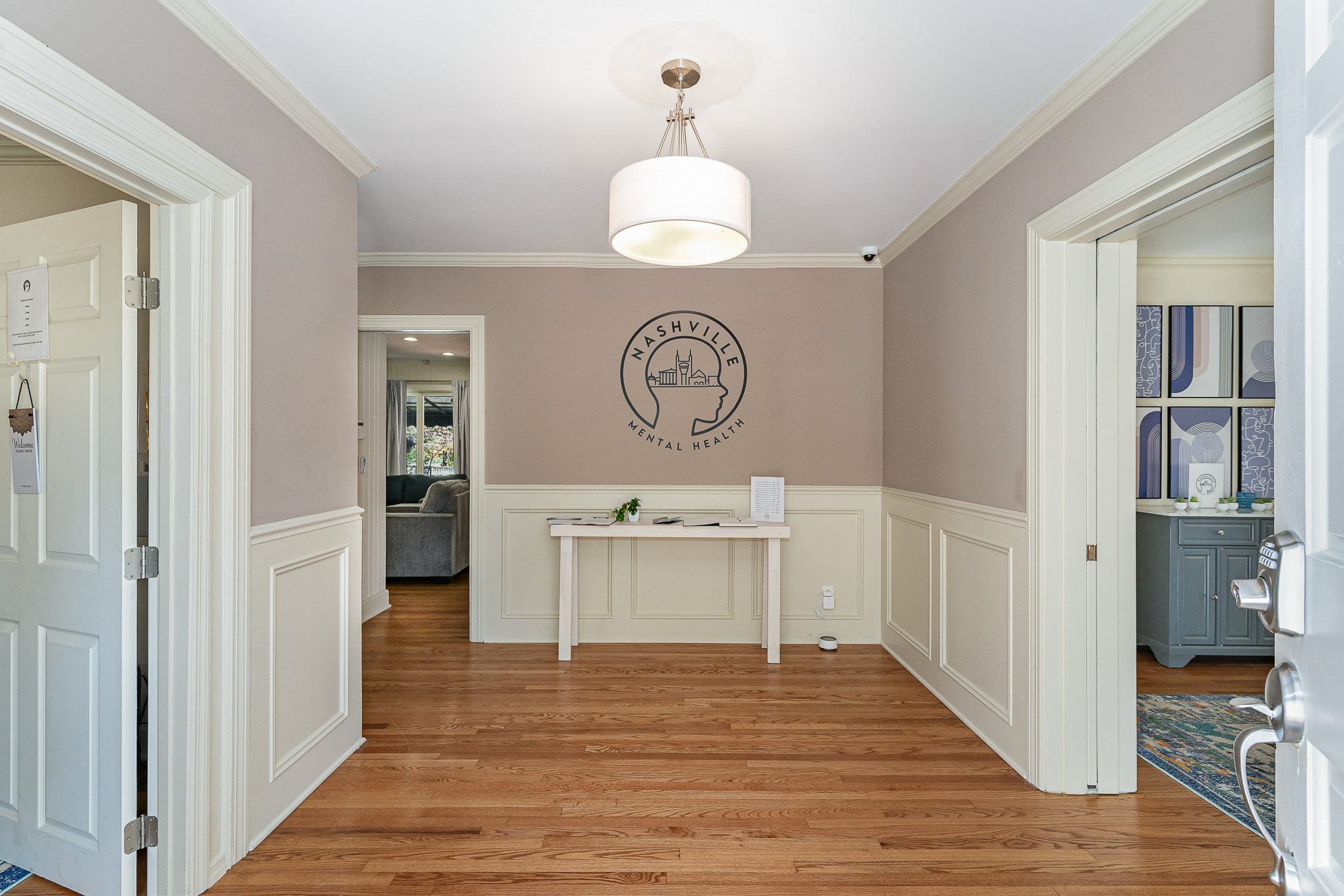
Finding Clarity and Healthy Relationships at Nashville Mental Health
Confusion about feelings and repeatedly questioning “What’s the difference between lust and love?” represents one of the most common reasons people seek therapy, and it’s a completely valid concern that deserves professional attention. Nashville Mental Health specializes in helping clients who struggle to distinguish between intense attraction and genuine emotional connection. Cognitive behavioral therapy (CBT) helps identify the distorted thinking patterns that cloud relationship judgment—catastrophizing about rejection, black-and-white thinking about compatibility, or mind-reading assumptions about what someone feels. A skilled therapist can help you examine the evidence for your feelings versus the stories your anxiety or past trauma creates, teaching you how to know if it’s love or infatuation by examining the evidence for your feelings. Learning how to tell if you’re in love involves developing emotional literacy and self-awareness skills that many people never learned in childhood, especially if they grew up in environments where emotions were dismissed, punished, or inconsistent.

Trauma-informed therapy approaches address the root causes of relationship confusion by helping you understand how past experiences shaped your attachment patterns and current relationship choices. Therapists trained in attachment theory can help you recognize whether you’re operating from an anxious, avoidant, or disorganized attachment style, and teach you strategies for developing earned secure attachment through corrective emotional experiences. For those struggling with can lust turn into love or wondering if their intense feelings will deepen or fade, therapy provides a safe space to explore these questions without judgment while developing the emotional regulation skills necessary for healthy relationships. Nashville Mental Health offers individual therapy and relationship counseling specifically designed to help clients understand their emotional patterns, heal from past trauma, and build the self-awareness necessary for choosing healthy partners and maintaining fulfilling connections for those struggling to understand the difference between lust and love in their own lives. Whether you’re currently confused about a specific relationship or you want to break patterns of choosing unhealthy partners, professional support can help you develop the emotional clarity that makes authentic love possible.
FAQs About the Difference Between Lust and Love
Can lust turn into love over time?
Yes, lust can evolve into love if both partners invest in emotional intimacy, vulnerability, and consistent connection beyond physical attraction. However, understanding the difference between lust and love means recognizing this transition requires intentional effort to build trust, shared values, and deep understanding—physical chemistry alone won’t automatically mature into lasting love.
How long does it take to know if you’re really in love?
Mental health professionals suggest it typically takes 3-6 months of consistent interaction to move beyond infatuation’s intensity and assess compatibility realistically. True love involves knowing someone through various life circumstances, conflicts, and everyday moments—not just the exciting early dating phase.
What are the biggest signs of lust vs love?
Lust focuses primarily on physical attraction, sexual chemistry, and idealized fantasy, often with urgency and intensity. Love includes physical attraction but prioritizes emotional safety, mutual respect, long-term compatibility, and caring about the person’s well-being even when it’s inconvenient for you.
Why do I keep confusing intensity with love?
If you have anxiety, past trauma, or insecure attachment patterns, your nervous system may interpret intensity, unpredictability, or emotional highs and lows as passion or chemistry. Therapy can help you recognize that healthy love feels calmer and more secure, not constantly dramatic or anxiety-producing.
When should I see a therapist about relationship confusion?
Consider professional support if you repeatedly choose unavailable or unhealthy partners, feel obsessive about romantic interests, struggle to trust your feelings, or notice your relationship patterns causing significant distress. A therapist can help you develop clarity and healthier relationship skills so you can better understand the difference between lust and love.