...
Nashville Mental Health: Your home to mental wellness. Skyline view of Nashville, Tennessee in black and white.

Levels of Care in Nashville, TN

Recovery is not a single door you walk through once. The support a person needs on the hardest day looks nothing like what helps them hold steady months later, and good care adjusts to that difference. That is the idea behind levels of care: instead of one fixed program, there is a range of intensities, and you settle into the one that fits your situation right now.

At Nashville Mental Health, our mental health levels of care in Nashville stretch from living on-site with round-the-clock support to structured therapy you attend from home. If you are weighing treatment for the first time, or planning a careful step down after a hospital stay, this page lays out each option, who it tends to serve, and how people move between them. The aim is not to sell you on the most intensive option, but to help you land at the level that actually fits your life.

Below, you can see every level at a glance, compare them side by side, and read a plain-language look at what each one involves.

Read More Read Less

Our Levels of Care in Nashville

The four levels below cover the full arc of treatment, from the most hands-on care to ongoing support once a program ends. Select any card to open its full page, or read on for a side-by-side comparison and a closer look at each one.
Live on-site with round-the-clock clinical support
Structured therapy by secure video across Tennessee
Ongoing connection and support after treatment
Steady, structured care following a hospital stay

Matching the Right Level of Care to Where You Are

The right level depends less on a label and more on your day-to-day reality: how much support keeps you safe, how much you can step away from responsibilities, and where you are in the process. The table below lines the options up side by side so those trade-offs are easier to see. Read it as a starting point for a conversation, not a test you have to score yourself on.
Residential TreatmentAdults who need to step fully away from daily life to stabilizeLiving on-site at the Nashville, TN facility with 24/7 clinical support
Virtual Intensive Outpatient Program (IOP)People who need structure while staying at home, work, or schoolSeveral therapy sessions each week by secure video across Tennessee
Aftercare & Alumni SupportAnyone transitioning out of an active programContinued connection, resources, and community after treatment ends
Post-Hospitalization Residential CarePeople stepping down from a hospital stay who still need structureA supervised residential setting to steady progress before daily life

A few questions that help point toward the right level:

  • How much support do you need to stay safe right now?
  • Can you step away from work, school, and home, or do you need to stay put?
  • Are you starting treatment, or continuing after a higher level of care?
  • How much daily structure helps you focus on recovery?


Choosing where to start can feel daunting, and our team is here to make it simpler. Call
(916) 587-6860 for a free, confidential assessment that helps match you to the right level of care, or reach us on our Contact Us page. There is no cost to talk it through and no obligation to enroll.

A Closer Look at Each Level of Care

Here is a plain-language walk through each level, with a link to the full details on every page.

Residential Treatment

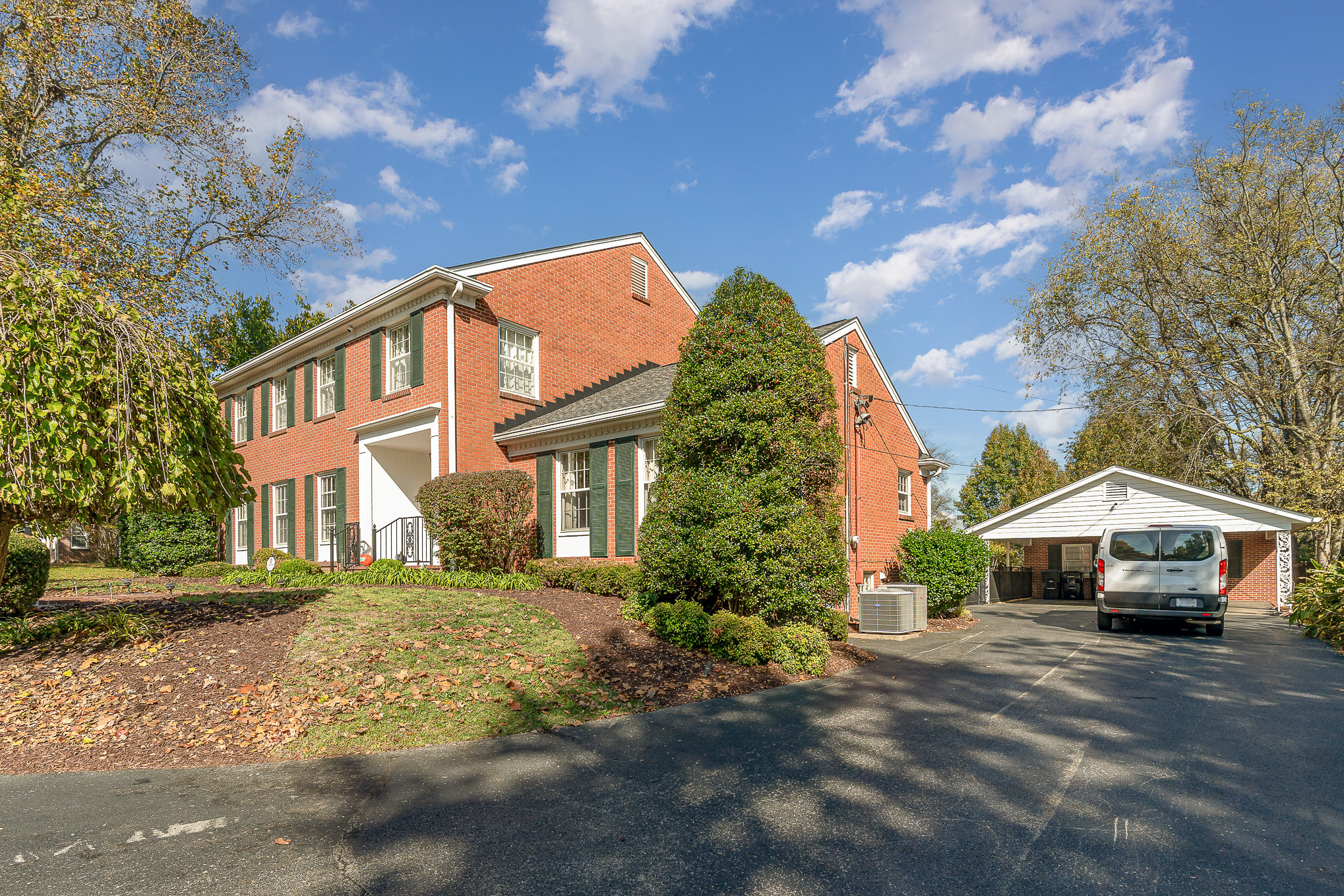
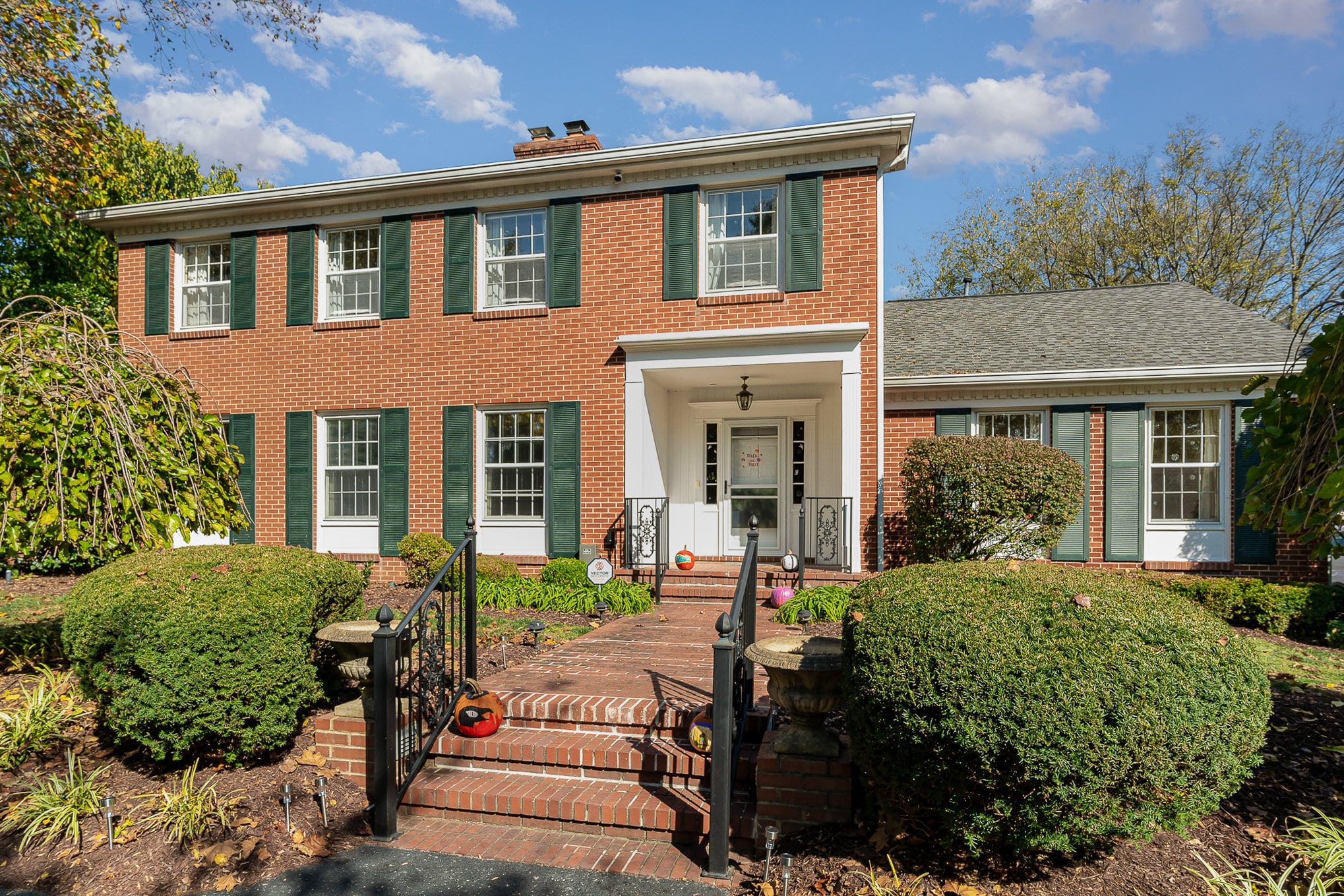
Residential treatment is the most immersive option, and often the right starting point when symptoms make daily life hard to manage. You live on-site at our Nashville facility within a 24/7 stabilization environment, with clinicians, therapy, and support built into each day. Because everything happens in one place, you can set outside pressures aside and focus fully on getting well, drawing on the full range of methods described in our therapy programs. Days follow a predictable rhythm of individual and group work, and staff are close at hand whenever a hard moment arrives, which is part of what makes this level feel steadying rather than overwhelming.

Virtual Intensive Outpatient Program (IOP)

For people who need real structure but cannot step away from home, work, or school, the Virtual Intensive Outpatient Program brings treatment to them. Delivered by secure video anywhere in Tennessee, it includes several therapy sessions each week, so support stays consistent even when life cannot pause. Many people use it as a step down from residential care, keeping momentum as they return to daily routines, while others start here when their symptoms are manageable enough to treat from home. Either way, the sessions are structured and clinician-led, not a loose check-in.

Aftercare & Alumni Support

Finishing a program is a milestone, not a finish line. Aftercare and alumni support help you stay connected to resources and to others who understand the road you have traveled, giving the progress you made a better chance of lasting. The weeks after formal treatment are often when old patterns test new habits, so having somewhere to turn matters. This program continues to grow, and our team can walk you through what is currently available.

Post-Hospitalization Residential Care

A hospital stay can steady an immediate crisis, but the days that follow often call for continued, structured support. Post-hospitalization residential care offers a calm, supervised setting to consolidate that progress before returning to daily life, softening what can otherwise be an abrupt transition. For many people, that bridge lowers the risk of losing ground right after discharge. If you or someone you love is in immediate danger, call or text 988.

Woman in therapy session, discussing behavior with therapist. Mental health and wellness concept. Zoya V2 Homepage.

Stepping Up and Stepping Down Through Treatment

The levels above are less separate tracks than points along a continuum. Many people begin at a higher intensity and move to lighter support as they stabilize – others step up when symptoms flare. What matters is that your care fits your needs at each stage rather than a fixed timeline. Progress is rarely a straight line, and the point of having several levels is to meet you at whatever stage you are in without starting over each time.

Where you start depends on what you are working through. Our team maps the mental health conditions we treat to the setting that fits, then revisits that fit as you progress. Entering any level begins with a straightforward admissions process, and moving between levels is a clinical decision made with you, never a fresh start from zero.

Reasons your level of care might change over time:

  • Symptoms ease, and a lighter level can sustain your progress
  • Symptoms intensify, and more structure would help you stay safe
  • Your circumstances shift, making in-person or virtual care more workable
  • You complete a program and move into ongoing support
Read More Read Less
Zoya woman portrait: Brunette with closed eyes, denim shirt, bathed in sunlight. Stylish and serene. V3 – Homepage – Zoya

How to Begin at the Right Level

Starting is simpler than it often feels. From your first call, our team offers 24/7 confidential support and can arrange same-day admissions when a situation cannot wait. A clinician assesses what you are experiencing and recommends where to begin, then shapes personalized treatment options around that starting point. You will not be handed a generic intake and left to sort out the rest on your own.

Practical concerns rarely need to be barriers. Our team can confirm coverage through insurance verification, since insurance acceptance is part of keeping care within reach, and if you are preparing for a residential stay, our guide to what to bring covers the essentials. Asking questions costs nothing and commits you to nothing, so reaching out early is often the easiest way to get clarity before you decide anything.

Getting started usually looks like this:

  • A brief, confidential call to talk through what is going on
  • A clinical assessment that recommends the right level of care
  • A benefits check so any cost is clear up front
  • A start date, with same-day options when the need is urgent
Read More Read Less

What Stays the Same at Every Level

The setting changes from one level of care to the next, but the foundation does not. No matter where you enter, treatment starts with a clinical assessment and a plan shaped around your history and goals, and it leans on structured, evidence-based methods rather than guesswork. Your family can be part of the work when that helps, and the same coordinated team keeps track of your progress so nothing falls through the gaps between sessions. That continuity is deliberate: when you step up or down, the people guiding your care already know your story, so you are not starting an explanation over from scratch.

Across all four levels, you can expect:

Young person in a beige hoodie sits on a purple couch, talking with a clinician in a cozy living room therapy setting.

Levels of Care Across Nashville and Middle Tennessee

Our residential levels of care are based at a single Nashville, TN facility, a calm setting a short drive from downtown. People travel to us from throughout Middle Tennessee and farther out, from Murfreesboro and Franklin to Clarksville and beyond, and you can review where people travel from before planning a stay.

The Virtual Intensive Outpatient Program, by contrast, reaches anywhere in Tennessee, so people who cannot make the trip can still receive structured care without leaving home. That reach matters in a state where the nearest residential program may be hours away, and it means geography no longer has the final say over your access to consistent support.

Frequently Asked Questions

Does insurance cover different levels of care?

Many PPO plans cover care across several levels, from residential treatment to virtual outpatient support, though the specifics vary by policy. The quickest way to know what yours includes is to let our team check through insurance verification, which confirms your benefits before you begin.

How do I know which level of care I need?

You do not have to decide on your own. After a clinical assessment, our team recommends the level that matches your symptoms, your safety, and your daily responsibilities. That recommendation can change as you progress, so nothing is locked in from day one. If you are unsure where you fall, a short conversation with our team is usually enough to point you in the right direction.

Can I move between levels of care?

Yes, and many people do. It is common to begin in a more structured setting and step down as stability returns, or to step up if symptoms intensify. Your plan is meant to flex with where you are, not the other way around. These transitions are planned with your care team so each move feels like a considered next step rather than a disruption.

What is the difference between residential treatment and a virtual IOP?

Both deliver real clinical care, just in different settings. Residential Treatment has you live on-site in Nashville with support available at any hour, while the Virtual Intensive Outpatient Program brings structured sessions to you by secure video across Tennessee. The right choice depends largely on how much you can step away from daily life.

What happens after I complete a program?

Treatment does not end abruptly. Aftercare and alumni support help you stay connected once a program wraps, whether through continued resources or a community of people who have been where you are. The goal is to carry your progress forward, not leave it behind, so the transition out feels like a next chapter rather than a cliff edge.

Wherever you are right now, considering treatment for the first time or planning a step down after a hospital stay, one conversation can make the next step clear. Reach us at (916) 587-6860 for a free, confidential consultation, or send a message through our Contact Us page, and we will help you find the level of care that fits.

Verify Your Insurance