Skip to content
 Nashville Mental Health is a trusted luxury mental health facility serving Nashville and surrounding areas. Find steady ground with 24/7 psychiatric support and a plan built for your cycles.
If you or someone you love is in immediate danger, call or text 988, or dial 911.










Our psychiatrists and therapists work together to steady your moods, fine-tune medication, and help you recognize early warning signs. You get consistent support in a calm residential setting.
Help is closer than it feels. Contact Nashville Mental Health at (916) 587-6860 or visit our Contact Us page for a free, confidential assessment, with no pressure and no obligation.
EXCELLENT Based on 73 reviews
 Posted on Google
 alvin barettWould recommend this center for those looking for a place with great staff and treatment options.Posted on Google
 Tiana RyanGreat place! Good mix of relaxation/self care and therapy. Staff is caring and willing to help. Charles is a great guy to talk to! Overall would recommend to my friends and family.Posted on Google
 Manar Ismailim so thankful for everyone at Nashville Mental health for being so Supportive and making me feel like i were at home . And I would like thank the people that they have left big impact on me, Miss Cassandra Miss Juanita and cristin and Chris and Layla And also, my case manager At Mount Juliet Madeline And Jessica i love Everyone you guys So so much . You guys have Left a big impact on me Thank you so much From the bottom of my heart You guys The reason I’m still alive today .Posted on Google
 Kristina mercierNMH is a superior treatment center compared to the rest. Staff truly love their jobs and it's shown in their work and behaviors, I felt that everyone had my back every day I was here. If I ever need mental health treatment again, I would choose this place. Sarah and Melissa were my favorites!Posted on Google
 Careyanne ChamblissNashville Mental Health is a wonderful place to heal. Anyone who is struggling with mental health I would highly recommend this place. It is a small intimate environment and an amazing place to heal.Posted on Google
 Taj SternerNashville Mental Health is a great resource. It’s professional, welcoming, and genuinely focused on helping people feel supported. Definitely a valuable part of the community.Posted on Google
 Kevin MatusIt’s a wonderful place! The staff is great and the facilities is beautiful.Posted on Google
 Paige HatchThis has truly been a meaningful and rewarding experience for me. What makes NHM so special is the team. Every staff member brings compassion, dedication, and genuine care for the individuals we serve.Posted on Google
 Hunter MooreYou can tell the team genuinely cares. patients are treated like people, not just cases. From intake to discharge, every step of the process is handled with care, respect, and efficiency.Posted on Google
 Brian KellyI stayed at the Rutledge house and had probably the best experience of my life! Everyone there treated us fantastic. Think of it like a retreat where you can actually focus on yourself, without all of lifes hassles. I was in a dark place when I found this place. I am from Kentucky where places like this simply don't exist. They asked me some questions to make sure I qualified, and I'm glad I did! They helped me a lot and were able to get my medications right as well as give me a bunch of tools to help cope with society. They diagnosed me as well. I really can't speak highly enough. 5* for sure and I would add more if I could. If you're wanting to find yourself again and serious about your mental health, trust me, Don't hesitate!💯 😁 Edit: I went to the Murfreesboro location recently as well and feel obligated to express my appreciation there as well. Everyone treated me so nicely which allowed me to adjust and feel comfortable much faster. The staff was great as well as the amenities! These places allow smoking but in designated area so as to not interfere with people who do not choose to do so. A BIG thank you to everyone!!
We utilize a variety of treatment modalities to teach our patients the coping skills they need to find stability and discover their self-awareness.





Common symptoms of bipolar disorder include:
Increased energy, reduced need for sleep, and impulsive behavior.
des: Intense feelings of sadness, loss of interest in activities, and low energy.
Less intense than manic episodes but still marked by elevated mood and activity.
Periods of hypomania and mild depression that persist over time.
The word bipolar covers more than one diagnosis, and the differences shape treatment from the first day. Per the National Institute of Mental Health (NIMH), an estimated 4.4% of U.S. adults will experience bipolar disorder during their lifetime. Here is how the three main diagnoses compare at our Middle Tennessee bipolar disorder treatment Nashville program.
Diagnosis | Defining pattern | Treatment focus |
|---|---|---|
Bipolar I Disorder | At least one full manic episode, usually alternating with depressive periods | Stabilizing mood quickly, then protecting that stability |
Bipolar II Disorder | Hypomanic stretches paired with major depressive episodes | Easing the depressive lows while tracking the highs |
Cyclothymic Disorder | Milder highs and lows cycling across two years or more | Building long-range routines that keep swings shallow |
A precise diagnosis matters because medication choices and therapy cadence differ between the three, and an accurate read early on saves months of trial and error.
A diagnosis is not required before you call. Contact Nashville Mental Health at (916) 587-6860 or visit our Contact Us page for a free, confidential assessment, with no pressure and no obligation.
Nashville offers a range of bipolar disorder treatment centers that specialize in addressing the unique needs of individuals with this condition. These centers provide evidence-based therapies and services tailored to manage bipolar symptoms effectively.
Each patient receives a personalized treatment plan based on their specific needs and medical history.
Mental health professionals prescribe and monitor medications to stabilize mood swings.
Treatment includes individual therapy, family therapy sessions, and group therapy to address emotional and social challenges.
Hands-on activities to support emotional growth and coping skills.

One-on-one therapy sessions allow patients to explore personal challenges and develop coping strategies. Cognitive-behavioral therapy (CBT) is a widely used method for treating bipolar disorder.
Family therapy helps family members understand bipolar disorder and learn ways to support their loved ones. It strengthens relationships and improves communication.
Group therapy connects individuals facing similar challenges, fostering community and shared learning. It is a key component of many bipolar disorder treatment centers in Nashville.
Medication management ensures patients receive the appropriate medications to manage symptoms. Nurse practitioners and psychiatrists collaborate to provide effective treatment plans.
Many individuals with bipolar disorder also experience co-occurring conditions like anxiety or depression, making treatment more complex. When left unaddressed, these disorders can fuel one another, creating a challenging cycle to break. Treatment centers in Nashville provide integrated care so that every co-occurring mental health condition is treated at the same time, improving the chances of long-term recovery. Comprehensive assessments help identify underlying issues, allowing professionals to tailor treatment plans that meet each individual’s unique needs.
A combination of therapies, including cognitive-behavioral therapy (CBT) and dialectical behavior therapy (DBT), helps individuals develop healthier coping mechanisms and emotional regulation skills. Medication management plays a crucial role in stabilizing mood disorders while keeping side effects and risks under careful clinical watch. Many treatment programs also incorporate holistic approaches, such as mindfulness, yoga, and nutrition counseling, to support overall well-being. Additionally, peer support built into group therapy sessions provides a sense of community and accountability throughout recovery.
Family involvement and ongoing support are vital in addressing co-occurring disorders effectively. Family therapy helps loved ones understand the complexities of overlapping conditions and create a supportive environment. By combining evidence-based therapies, holistic wellness practices, and peer support, integrated treatment programs in Nashville empower individuals to achieve lasting recovery and lead healthier, more fulfilling lives.

Effective bipolar treatment focuses on:
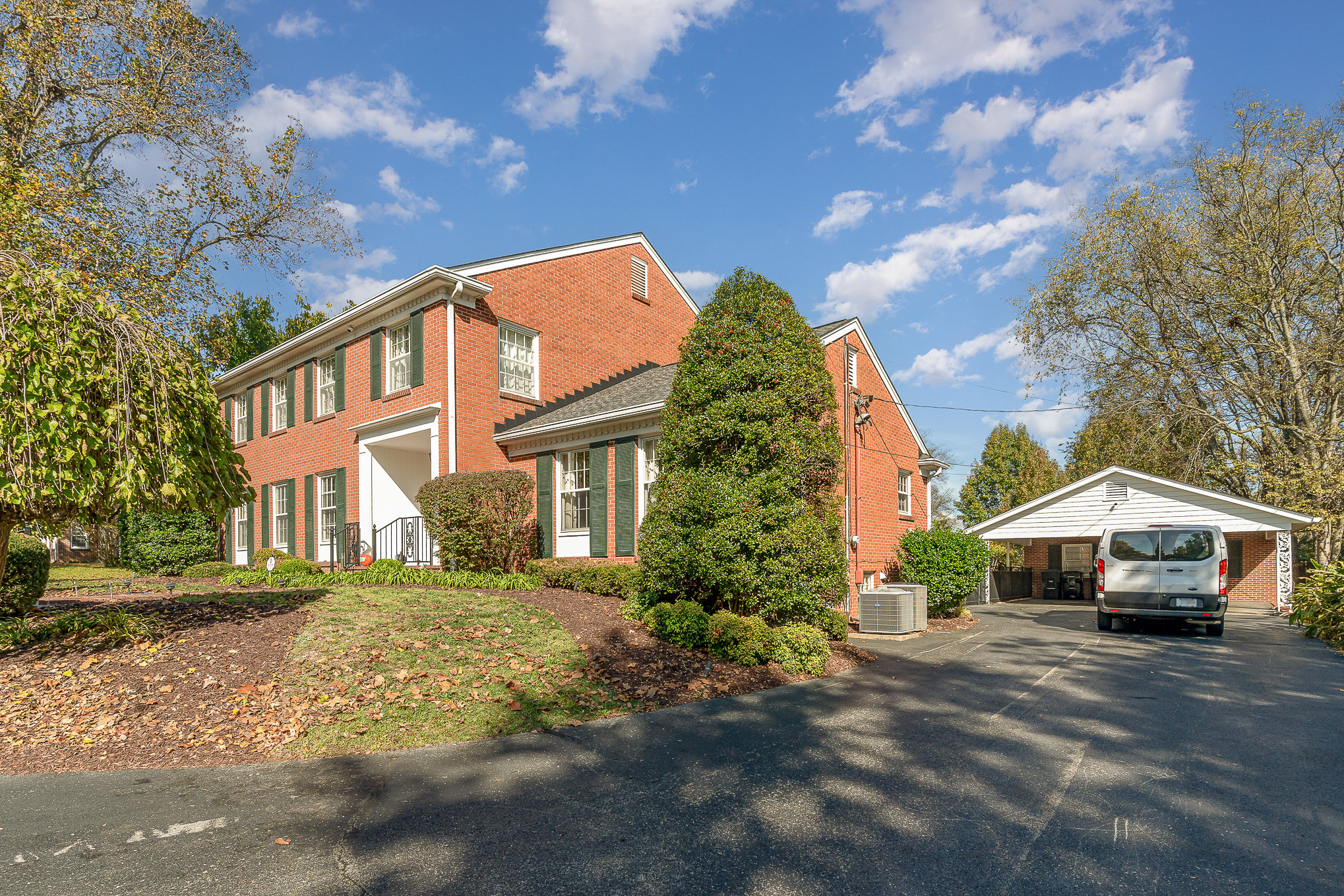
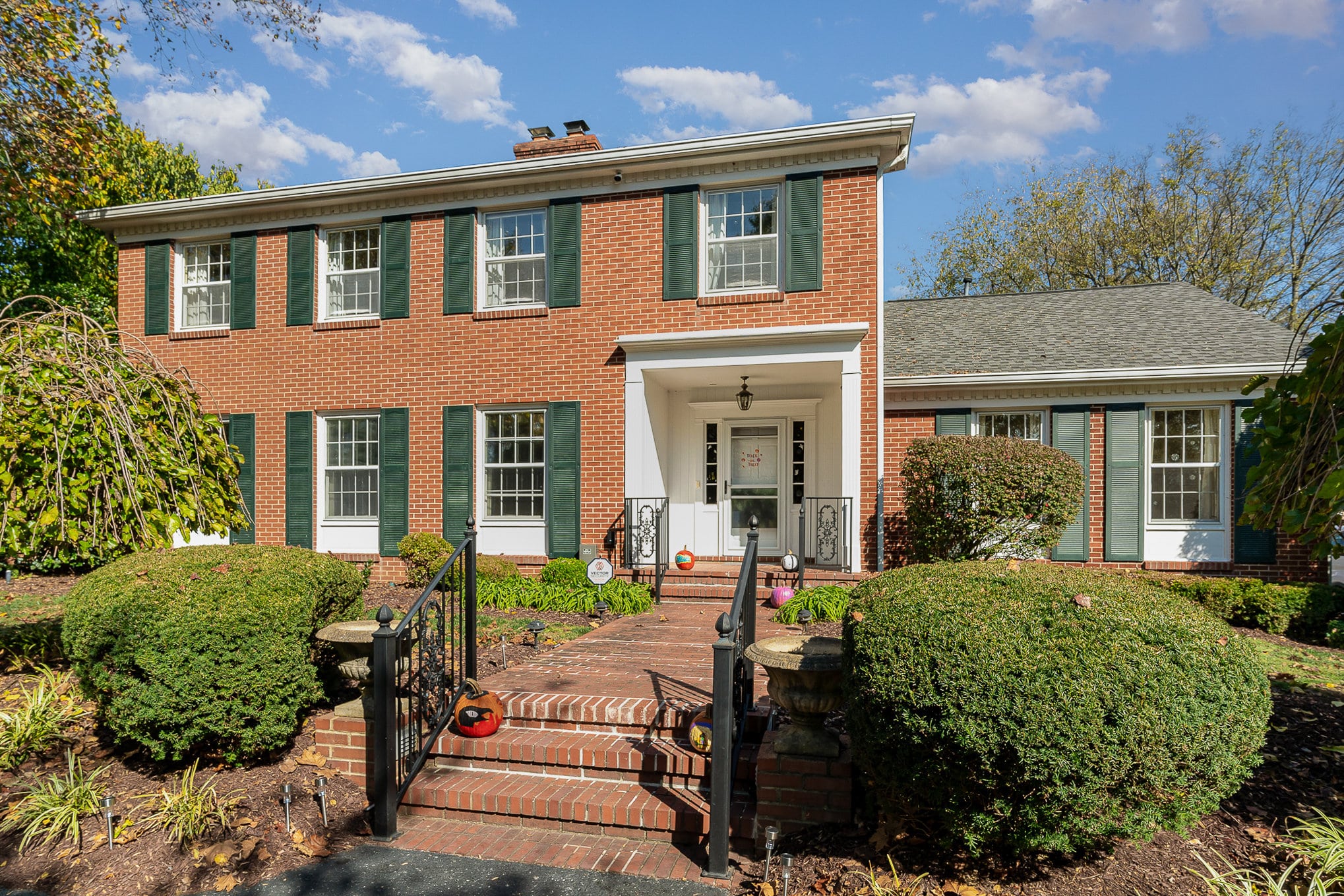
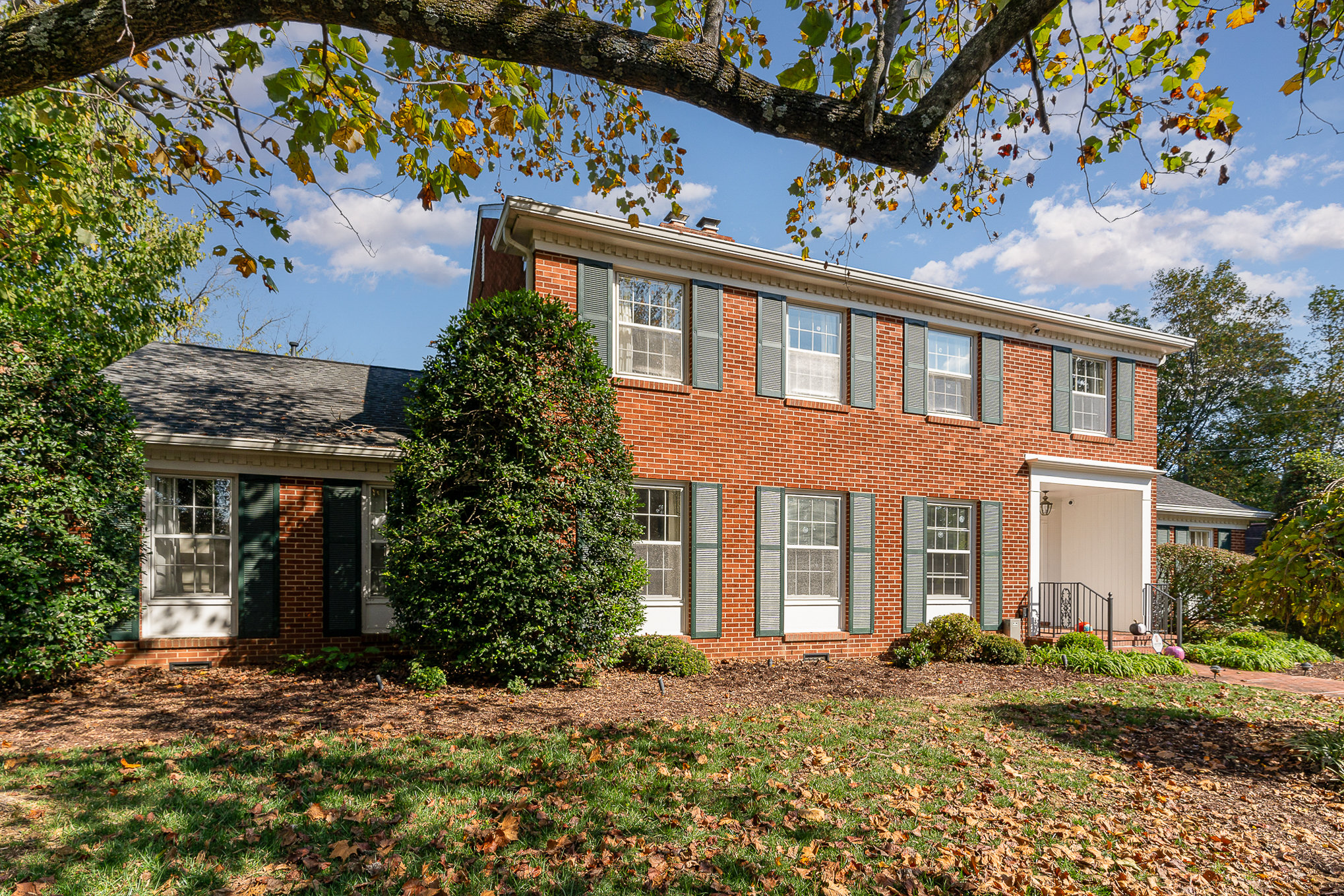
Stabilization sometimes asks for more than appointments can offer. Our Residential Treatment program surrounds you with psychiatric attention around the clock, in a calm home-like setting near Murfreesboro where routines, meals, and sleep get rebuilt on purpose.
For adults elsewhere in Tennessee – or anyone stepping down after a residential stay – the Virtual Intensive Outpatient Program (IOP) carries that same structure into your living room through secure video. Both levels sit inside the full mental health treatment lineup we offer to Middle Tennessee and the whole state.
The admissions process at bipolar disorder treatment centers typically involves:
An initial assessment of medical history and symptoms.
Collaboration with treatment professionals to develop a personalized treatment plan.
Verification of insurance coverage and financial planning. Our insurance verification page handles this step online in a few minutes.
Same-day admission can be arranged when timing is critical, and the what to bring checklist makes packing simple.
Recovery from bipolar disorder is not a solitary journey. Family members play a critical role in the healing process, offering emotional support, accountability, and a sense of stability. At our mental health treatment center, we incorporate family-focused therapy and structured family therapy programs to ensure loved ones are actively engaged and empowered to contribute to long-term recovery.
These sessions provide education on the nature of bipolar disorder—including episodes of mania, hypomanic highs, and major depression—and help families understand the underlying brain chemistry and behavioral patterns that accompany the disorder. With the guidance of our compassionate staff, families learn how to navigate behavioral issues, reduce conflict, and create an environment conducive to mood stability. The weekly family program extends this work with a standing place for loved ones in the treatment calendar.
Mental health professionals in Nashville provide the expertise needed to manage symptoms effectively. With their support, individuals can achieve a more satisfying life and reduce the impact of mood disorders.
When left untreated, bipolar disorder can lead to serious negative repercussions that impact every aspect of daily life. Individuals may experience financial distress, strained personal relationships, injuries related to impulsive behavior, legal issues, and an increased risk of medical problems tied to unmanaged behavioral issues and emotional instability.
Beyond external consequences, untreated bipolar disorder can severely affect physical health, lead to worsening of other mental health conditions, and contribute to complications such as deepening anxiety or major depression. The emotional toll often results in feelings of helplessness, increased risk of hospitalization, and decreased life expectancy.
Untreated bipolar disorder can raise the risk of a mental health crisis. If that moment arrives, call or text 988 for immediate support at any hour, or dial 911 in an emergency.
Bipolar disorder is a mental health condition characterized by extreme mood swings, including manic, hypomanic, and depressive episodes.
If you experience severe mood swings, difficulty managing daily tasks, or disruptions in relationships and work, seeking treatment is recommended.
Treatment centers offer individual therapy, family therapy, group therapy, and experiential therapy to address various aspects of the condition. At Nashville Mental Health, these include structured family and group therapy sessions built into the weekly schedule.
Yes, medication is often a critical component of treatment. Medication management services ensure the proper medications are prescribed and monitored. Our psychiatric team handles evaluation and ongoing prescribing in-house.
Contact the center directly to schedule an assessment. They will review your medical history and collaborate on a treatment plan that fits your needs. Visit SAMHSA for more information.
Most major and PPO plans carry mental health benefits that apply to residential and virtual care alike. The fastest route to your specific numbers is the insurance verification page – one short form, and the admissions team reports back with exact coverage details.
Many of the adults we treat come from Nashville and Davidson County, though the campus itself sits in the quieter Murfreesboro area. For anyone outside Middle Tennessee, virtual care carries our support across the state.
Call (916) 587-6860 before you make the trip, and see the towns and cities we welcome clients from.

If you or a loved one are seeking help, contacting a bipolar disorder treatment center in Nashville is the first step toward recovery. These centers offer a range of treatment options to help individuals manage symptoms and improve their quality of life.