Skip to content
 Nashville Mental Health is a trusted luxury mental health facility serving Nashville and surrounding areas. Restore healthy sleep with clinical care in a quiet, restful environment.










We treat the anxiety, trauma, and habits that keep you awake, then rebuild your sleep from there. Our residential setting is designed for rest from the moment you arrive.
Sleepless nights are anything but rare. In the CDC’s most recent national survey, 30.5% of U.S. adults reported sleeping less than seven hours a night, and nearly one in five had trouble staying asleep most days. What sets our insomnia treatment in Nashville apart is the setting: sleep problems are treated alongside the mental health treatment concerns that so often sit underneath them, by one team in one place.
Rest should not feel out of reach. Contact Nashville Mental Health at (916) 587-6860 or visit our Contact Us page for a free, confidential assessment, with no pressure and no obligation.
EXCELLENT Based on 73 reviews
 Posted on Google
 alvin barettWould recommend this center for those looking for a place with great staff and treatment options.Posted on Google
 Tiana RyanGreat place! Good mix of relaxation/self care and therapy. Staff is caring and willing to help. Charles is a great guy to talk to! Overall would recommend to my friends and family.Posted on Google
 Manar Ismailim so thankful for everyone at Nashville Mental health for being so Supportive and making me feel like i were at home . And I would like thank the people that they have left big impact on me, Miss Cassandra Miss Juanita and cristin and Chris and Layla And also, my case manager At Mount Juliet Madeline And Jessica i love Everyone you guys So so much . You guys have Left a big impact on me Thank you so much From the bottom of my heart You guys The reason I’m still alive today .Posted on Google
 Kristina mercierNMH is a superior treatment center compared to the rest. Staff truly love their jobs and it's shown in their work and behaviors, I felt that everyone had my back every day I was here. If I ever need mental health treatment again, I would choose this place. Sarah and Melissa were my favorites!Posted on Google
 Careyanne ChamblissNashville Mental Health is a wonderful place to heal. Anyone who is struggling with mental health I would highly recommend this place. It is a small intimate environment and an amazing place to heal.Posted on Google
 Taj SternerNashville Mental Health is a great resource. It’s professional, welcoming, and genuinely focused on helping people feel supported. Definitely a valuable part of the community.Posted on Google
 Kevin MatusIt’s a wonderful place! The staff is great and the facilities is beautiful.Posted on Google
 Paige HatchThis has truly been a meaningful and rewarding experience for me. What makes NHM so special is the team. Every staff member brings compassion, dedication, and genuine care for the individuals we serve.Posted on Google
 Hunter MooreYou can tell the team genuinely cares. patients are treated like people, not just cases. From intake to discharge, every step of the process is handled with care, respect, and efficiency.Posted on Google
 Brian KellyI stayed at the Rutledge house and had probably the best experience of my life! Everyone there treated us fantastic. Think of it like a retreat where you can actually focus on yourself, without all of lifes hassles. I was in a dark place when I found this place. I am from Kentucky where places like this simply don't exist. They asked me some questions to make sure I qualified, and I'm glad I did! They helped me a lot and were able to get my medications right as well as give me a bunch of tools to help cope with society. They diagnosed me as well. I really can't speak highly enough. 5* for sure and I would add more if I could. If you're wanting to find yourself again and serious about your mental health, trust me, Don't hesitate!💯 😁 Edit: I went to the Murfreesboro location recently as well and feel obligated to express my appreciation there as well. Everyone treated me so nicely which allowed me to adjust and feel comfortable much faster. The staff was great as well as the amenities! These places allow smoking but in designated area so as to not interfere with people who do not choose to do so. A BIG thank you to everyone!!
We utilize a variety of treatment modalities to teach our patients the coping skills they need to find stability and discover their self-awareness.





Short-term sleeplessness often caused by stress or environmental factors.
Long-lasting sleep difficulties persisting for three months or more.
Insomnia that is not linked to other medical conditions or mental health disorders.
Linked to conditions like sleep apnea, depression, or chronic pain.
Insomnia is a common sleep disorder characterized by difficulty falling or staying asleep. It may result from behavioral, cognitive, or physical factors. Chronic insomnia can lead to adverse effects such as daytime tiredness, poor concentration, and irritability.
Stress and Anxiety at Bedtime
One of the primary causes of insomnia is stress. When individuals experience high levels of stress, their minds remain active, making it difficult to relax and fall asleep. Work-related pressure, financial worries, or personal conflicts can all contribute to heightened stress levels. Anxiety disorders also play a significant role in sleep disturbances. People who struggle with excessive worry often find themselves unable to shut their thoughts off at night.
Depression and Hormonal Shifts
Depression is another leading cause of insomnia. Individuals dealing with depression frequently experience early-morning awakenings or fragmented sleep. The imbalance of neurotransmitters in the brain can interfere with sleep regulation. Furthermore, hormonal fluctuations, particularly in women, can contribute to insomnia. Menopause, pregnancy, and menstrual cycles can all disrupt sleep patterns.
Habits That Work Against Sleep
Poor sleep hygiene is another factor that leads to insomnia. Irregular sleep schedules, frequent naps, and excessive screen time before bed can negatively impact the body’s internal clock. Consuming caffeine, nicotine, or alcohol close to bedtime may also interfere with sleep quality. These substances can stimulate the nervous system and prevent relaxation.
Medical and Neurological Conditions
Medical conditions such as chronic pain, asthma, and acid reflux can also contribute to insomnia. Discomfort and breathing difficulties often make it challenging to stay asleep throughout the night. Neurological disorders, including Parkinson’s disease and Alzheimer’s disease, may further disrupt sleep cycles.
Shift Work, Travel, and the Body Clock
Additionally, lifestyle habits, such as working late-night shifts or traveling across multiple time zones, can contribute to insomnia. Shift work disorder affects people who frequently change their work hours, making it difficult for their bodies to establish a consistent sleep-wake cycle. Jet lag disrupts the body’s circadian rhythm, leading to temporary sleep disturbances.
Finding the Cause Is Half the Treatment
Understanding the causes of insomnia is crucial for finding effective treatment. Addressing underlying factors such as stress, anxiety, or poor sleep habits can improve sleep quality. Implementing relaxation techniques, maintaining a consistent bedtime routine, and seeking professional help when necessary can help manage insomnia and promote restful sleep.
Nashville Mental Health uses a comprehensive and personalized approach to treat insomnia. We combine medical treatments, therapeutic techniques, and lifestyle changes to help you achieve better sleep. Our treatment plan includes:
Behavioral sleep medicine focuses on treating sleep disorders through behavioral interventions. This includes the adjustment of sleep patterns and habits to support restful sleep.
CBT-I is a first-line treatment for insomnia. It addresses the cognitive and behavioral factors causing sleep disruption. Patients learn techniques such as relaxation exercises and mindfulness-based behavioral therapy to alleviate sleep disturbances.
In some cases, medication may be necessary. Our psychiatric providers oversee any prescribing with regular check-ins, keeping the plan conservative and centered on lasting sleep rather than quick fixes.
CBT-I is less about tips and more about retraining, and each component has a specific job. Here is what the work actually involves.
Skill | What it involves | What it changes |
|---|---|---|
Stimulus control | Leaving the bed when wide awake so the mind re-pairs it with sleep instead of frustration | Falling asleep faster over time |
Sleep scheduling | Matching time in bed to the sleep you actually get, then widening the window gradually | Deeper, more consolidated nights |
Cognitive work | Loosening the late-night spiral of watching the clock and dreading tomorrow | Less pressure around bedtime itself |
In residential care these skills are practiced nightly with clinical backup close by, which is why progress that took months in weekly appointments often arrives in weeks here.
The first honest conversation about your nights can happen today. Contact Nashville Mental Health at (916) 587-6860 or visit our Contact Us page for a free, confidential assessment, with no pressure and no obligation.

Our licensed clinicians and psychiatric providers begin with a comprehensive look at how you sleep. This includes:
Effective treatments for insomnia improve quality of care and quality of life. Patients experience:
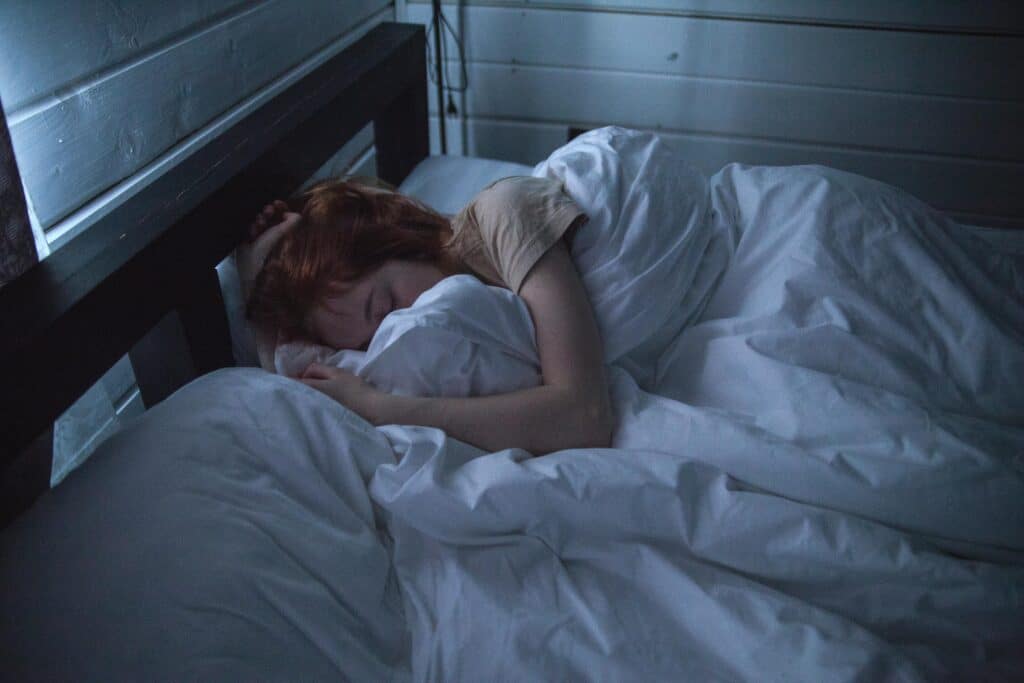
Besides insomnia, our center addresses other sleep disorders, including:
Insomnia treatment works best when the environment cooperates. Residential Treatment hands you an environment built for it: dark, quiet rooms, mornings that start at the same hour, evenings without the usual triggers, and a clinical team that watches how each night actually goes. For adults who cannot uproot their routines, the full program travels to them; our Virtual Intensive Outpatient Program puts the same clinicians on the other side of a secure screen, wherever in Tennessee home happens to be. Families in Murfreesboro, Franklin, and greater Davidson County often choose on-site care simply because visiting stays easy.
Day or night, someone answers. Describe your nights as they really are.
Give us your PPO details and our insurance verification team does the rest at no charge.
We map your sleep history and any co-occurring concerns, then recommend a starting level of care.
Same-day admission to our Murfreesboro-area campus is often possible, and virtual starts can be just as quick.
Ring (916) 587-6860 whenever a question about the trip comes up, or scan the corners of Tennessee our care reaches.

At Nashville Mental Health, we prioritize patient comfort and consent during testing and treatment. Licensed therapists and psychiatric providers work as one coordinated team, and the residential setting itself is arranged around quiet and rest. Care follows current evidence-based standards for treating insomnia together with the mental health conditions that so often drive it.
Tonight does not have to look like every other night. Contact Nashville Mental Health at (916) 587-6860 or visit our Contact Us page for a free, confidential assessment, with no pressure and no obligation.