Skip to content





Lying awake at 3 a.m., staring at the ceiling, counting the hours until your alarm goes off — chronic sleeplessness erodes quality of life in ways few other symptoms can match. When insomnia persists for months or years, the question shifts from “How do I sleep tonight?” to “Is insomnia curable, or will I struggle with this forever?” The answer depends largely on what drives the sleep disturbance in the first place. For many people, insomnia is not a standalone disorder but a symptom of an underlying mental health condition, and treating sleep alone rarely resolves the problem.
Understanding the mental health and sleep connection is essential to finding long-term insomnia solutions. Anxiety, depression, post-traumatic stress disorder, and bipolar disorder all disrupt sleep architecture, and the resulting insomnia often reinforces the psychiatric symptoms that caused it. This bidirectional relationship means that effective treatment must address both the sleep disturbance and the mental health condition driving it. When care is integrated, many patients find that the insomnia they believed was permanent resolves as their underlying condition improves.
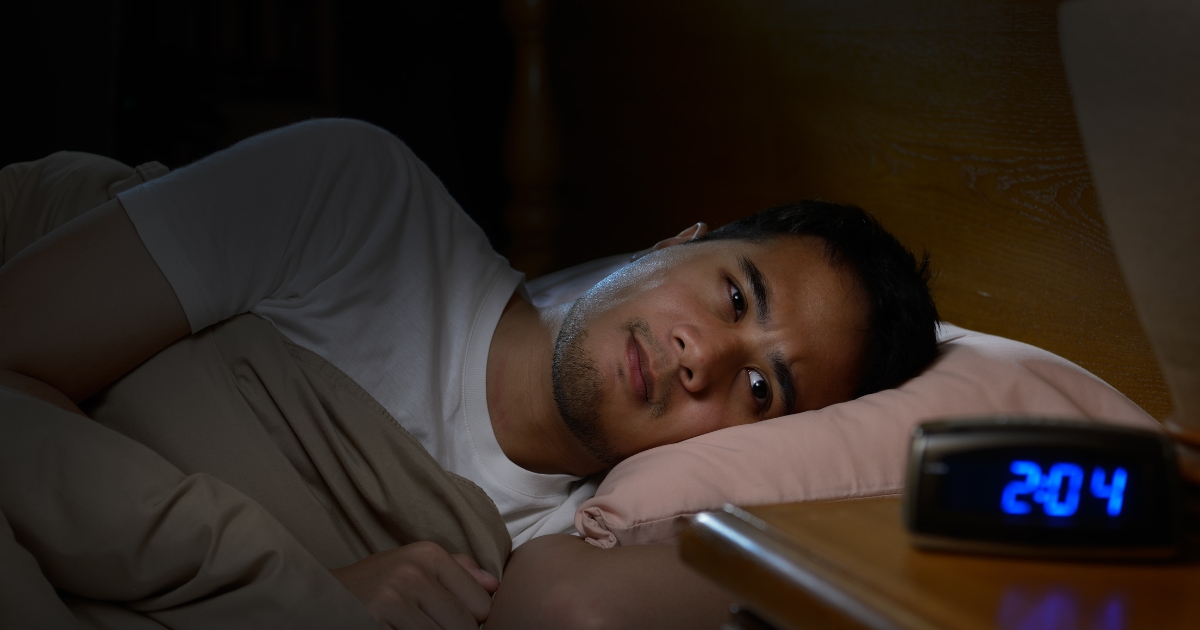
What Makes Insomnia Different When Mental Health Conditions Are Involved
Insomnia falls into two broad categories: primary insomnia, which occurs independently of other medical or psychiatric conditions, and secondary insomnia, which arises as a symptom of another disorder. When a mental health condition is present, the sleep disturbance is almost always secondary. Anxiety disorders trigger hyperarousal — the nervous system remains in a state of heightened alertness that makes falling asleep or staying asleep difficult. Depression disrupts circadian rhythms and can cause early morning awakening or excessive sleeping. Post-traumatic stress disorder brings nightmares and hypervigilance that fragment sleep. For patients with these conditions, whether insomnia can be cured depends on whether treatment addresses the psychiatric disorder or only the sleep symptom.
The Bidirectional Relationship Between Sleep and Mental Health
The relationship between psychiatric disorders and sleep disturbances is bidirectional, meaning each worsens the other.
| Mental Health Condition | Common Sleep Disturbance Pattern | How It Affects Sleep Architecture |
|---|---|---|
| Generalized Anxiety Disorder | Difficulty falling asleep due to racing thoughts | Prolonged sleep onset latency, reduced deep sleep |
| Major Depressive Disorder | Early morning awakening or hypersomnia | Shortened REM latency, fragmented sleep cycles |
| Post-Traumatic Stress Disorder | Nightmares, frequent awakenings, hypervigilance | Increased REM density, disrupted slow-wave sleep |
| Bipolar Disorder | Reduced need for sleep during mania, irregular patterns during depression | Circadian rhythm dysregulation, variable sleep duration |
Traditional sleep-only interventions may provide short-term improvement but fail to address what causes chronic sleep problems when a mental health condition is the driver. This is why the question “Is insomnia curable?” cannot be answered by treating sleep alone — temporary relief does not equal resolution.
Evidence-Based Treatment Options That Address Both Sleep and Mental Health
Integrated treatment approaches target both the sleep disturbance and the co-occurring mental health condition simultaneously, recognizing that improvement in one area supports improvement in the other. This evidence-based therapy, known as CBT-I, is the gold-standard non-pharmacological treatment for chronic insomnia and has strong evidence for efficacy even when mental health conditions are present. CBT-I differs from general cognitive behavioral therapy in that it focuses specifically on thoughts and behaviors that perpetuate insomnia. The therapy includes sleep restriction (limiting time in bed to match actual sleep time), stimulus control (associating the bed only with sleep), cognitive restructuring (challenging anxious thoughts about sleep), and relaxation techniques.
- CBT-I typically spans 6 to 8 sessions and produces lasting improvements in sleep onset latency, total sleep time, and sleep efficiency.
- When delivered alongside treatment for anxiety or depression, cognitive behavioral therapy for sleep addresses both the insomnia and the psychiatric symptoms that maintain it.
- Unlike sleep medications, the benefits of CBT-I persist after treatment ends because patients learn skills they can apply independently.
Medication plays a role in comprehensive mental health treatment when symptoms are severe enough to interfere with daily functioning or when therapy alone does not provide sufficient relief. Antidepressants treat both the underlying mood or anxiety disorder and, in many cases, improve sleep as the psychiatric symptoms resolve. Some antidepressants have sedating properties that help with sleep onset, though these are prescribed based on the overall clinical picture rather than as standalone sleep aids. The first 2 to 3 weeks of treatment often involve adjustment as the brain and body adapt to new sleep patterns and as psychiatric medications reach therapeutic levels. By weeks 6 to 8, most patients report measurable improvement in both sleep quality and mental health symptoms.
How to Treat Insomnia Naturally Within a Mental Health Framework
Natural approaches to treating insomnia — such as mindfulness meditation, progressive muscle relaxation, yoga and regular physical activity — can be effective when integrated into a comprehensive mental health treatment plan. However, when a mental health condition is present, how to treat insomnia naturally works best alongside therapy and, when appropriate, medication. Mindfulness-based stress reduction, for example, has evidence for reducing both anxiety and insomnia, but it is most effective when part of a broader treatment approach rather than used in isolation.
Can You Overcome Chronic Insomnia or Will You Always Struggle With Sleep?
Can you overcome sleep disorders that have persisted for months or years? The question of whether insomnia is curable depends on the type of insomnia and whether the underlying cause is addressed. Chronic insomnia, defined as sleep disturbance occurring at least 3 nights per week for 3 months or longer, requires sustained treatment. When chronic insomnia is secondary to a mental health condition, treating that condition often resolves the sleep disturbance entirely. Patients who complete CBT-I and receive appropriate psychiatric care frequently report that sleep is no longer a problem — not because they manage it constantly, but because the issue has resolved.
The distinction between “cure” and “management” is important. For some individuals with primary insomnia, ongoing attention to sleep hygiene may be necessary. However, when the insomnia is driven by anxiety, depression, or trauma, successful treatment of the psychiatric condition often eliminates the need for ongoing sleep-focused intervention. For many patients, the answer to “Is insomnia curable?” is yes — not through management strategies, but through resolution of the root cause.
| Indicator | Sleep Hygiene Modifications May Be Sufficient | Integrated Mental Health Care Is Needed |
|---|---|---|
| Duration of insomnia | Less than 3 months, situational | 3 months or longer, persistent despite lifestyle changes |
| Presence of daytime symptoms | Mild fatigue, no significant mood or cognitive impact | Significant anxiety, depression, irritability, or impaired concentration |
| Response to initial interventions | Improvement with sleep hygiene adjustments | No improvement or worsening despite sleep hygiene efforts |
| Co-occurring mental health symptoms | None or minimal | Diagnosed or suspected anxiety, depression, PTSD, or other psychiatric condition |
If you find yourself asking, “Why can’t I stay asleep at night?” the answer is that addressing the psychiatric condition is the most direct path to resolving the insomnia. Insomnia treatment options that require integrated mental health care include persistent difficulty sleeping despite good sleep hygiene, daytime anxiety or depression, intrusive thoughts or rumination at night, and a history of trauma or significant life stressors.

Rest Assured: Help Is Here at Nashville Mental Health
At Nashville Mental Health, we answer the question “Is insomnia curable?” by treating insomnia as part of comprehensive mental health care, recognizing that sleep disturbances often signal underlying psychiatric conditions that require integrated treatment. Our clinical team addresses both the sleep disorder and the underlying psychiatric condition driving it. We offer evidence-based therapies including CBT-I, medication management, and individualized treatment plans designed to produce lasting improvement. Effective treatment is available, and you do not have to manage this alone. Contact Nashville Mental Health today to schedule an evaluation and take the first step toward better sleep and better mental health.
FAQs
These are the most common questions patients ask when exploring whether chronic insomnia can be resolved through mental health treatment.
1. Can insomnia be permanently cured if I have anxiety or depression?
When insomnia is secondary to anxiety or depression, treating the underlying mental health condition often resolves the sleep disturbance entirely. Many patients find that once their psychiatric symptoms improve through therapy and, when needed, medication, the insomnia they believed was permanent no longer interferes with their life.
2. How long does it take to see improvement in sleep when treating mental health conditions?
Most patients notice small improvements within 2 to 3 weeks as they adjust to new sleep patterns and psychiatric medications reach therapeutic levels. By 6 to 8 weeks, measurable changes in both sleep quality and mental health symptoms typically occur, though individual timelines vary based on the severity of the condition and treatment response.
3. Is medication necessary to treat insomnia caused by mental health issues?
Medication is not always necessary, but it plays an important role when symptoms are severe or when therapy alone does not provide sufficient relief. Antidepressants and anti-anxiety medications treat the underlying psychiatric condition, and sleep often improves as a result, making them a valuable component of comprehensive care for many patients.
4. What is CBT-I and how is it different from regular therapy?
Cognitive behavioral therapy for sleep (CBT-I) is a structured, evidence-based treatment that focuses specifically on the thoughts and behaviors that perpetuate insomnia. Unlike general therapy, CBT-I includes techniques such as sleep restriction, stimulus control, and cognitive restructuring designed to improve sleep onset, duration, and quality.
5. Should I see a sleep specialist or a mental health professional for chronic insomnia?
If your insomnia is accompanied by anxiety, depression, or trauma symptoms, integrated mental health treatment is more appropriate than sleep-only care. A mental health professional can address both the sleep disturbance and the psychiatric condition driving it, providing a more complete and lasting solution.