Skip to content





Phobia Treatment Options for Adults: Clinical Evidence and Real Recovery Outcomes
Fear is a natural feeling, but once it takes hold of your life, it becomes a phobia. This is the case for millions of adults every day. The positive side is that there are more effective phobia treatment options for adults than ever before. Recovery is not only possible with the right support but also expected. This blog examines what actually works, supported by science and actual outcomes.
How Phobia Treatment Options for Adults Work in Modern Mental Health
Modern mental health care employs various treatment methods. Therapists combine different treatment options to fit the person’s needs. Treatment usually begins with a full evaluation of your phobia symptoms, followed by a customized care plan. The process is gradual, supportive, and designed to help you regain control of your life without feeling rushed or judged.
Why Clinical Evidence Matters for Your Recovery Path
Making a decision based on clinical evidence implies making one based on a tested and proven treatment. The National Institute of Mental Health (NIMH) attests to the fact that the evidence-based treatment of anxiety disorders is fairly uniform and quantifiable.
Exposure Therapy: The Gold Standard for Phobia Treatment
Exposure therapy is the most effective of all the options available. It is performed by exposing you to the source of your fear in a safe, controlled environment. Over time, the brain learns not to trigger a panic response. Research shows that exposure therapy helps up to 90% of adults with specific phobias achieve significant and lasting relief.
Cognitive Behavioral Therapy and Its Role in Anxiety Disorder Management
Cognitive behavioral therapy focuses on how anxious thoughts cause fearful behavior. It helps you notice negative habitual behaviors and replace them with more beneficial ones. CBT offers an organized route for adults struggling with anxiety disorders and focuses on both the thoughts and behaviors that result from them.
Restructuring Fearful Thoughts Through CBT Techniques
A therapist using cognitive behavioral therapy will teach you to challenge thoughts like “I will lose control” or “Something terrible will happen.” ” You get to practice substituting these with realistic and relaxing thoughts. This change of mind makes the fear reaction more vulnerable and daily life much easier.
Building Confidence Through Behavioral Change
CBT also involves taking small, manageable actions that prove fear wrong. Each completed step builds real confidence. As an example, the person who fears social situations can begin with a short conversation and then a small group setting. All these victories accumulate and form the basis of permanent recovery in the form of psychological counseling.

Desensitization Methods That Reduce Phobia Symptoms
Different desensitization techniques apply to phobias of various types. A mere comparison is as follows:
| Method | Approach | Works Best For |
| Systematic Desensitization | Gradual exposure + relaxation | Specific & social phobias |
| Virtual Reality (VR) | Safe simulated environments | Heights, flying, agoraphobia |
| EMDR Therapy | Eye movement + memory reprocessing | Trauma-linked phobias |
Fear Management Strategies for Long-Term Success
Achieving fear management is a long-term process that extends beyond therapy sessions. The following are some of the main strategies to keep up with:
- Breathe slowly and deeply every day to make your nervous system relaxed and stable.
- Track your phobia symptoms in a journal to notice patterns and progress.
- Apply cognitive behavioral therapy techniques between sessions to reinforce new thinking.
- Join a support group where others understand the journey you are on.
- Reward yourself after each small victory. Progress builds on progress.
Combining Medication With Psychological Counseling
In some cases, medication is used to complement psychological counseling to achieve higher results. SSRIs and beta-blockers have the potential to reduce physical anxiety such that the therapy seems less daunting.
The American Psychological Association (APA) advises combining the two methods for moderate-to-severe anxiety disorders. A professional psychiatrist should be consulted whenever one wants to determine the correct balance.
Real Recovery Outcomes: What the Research Shows About Treatment Effectiveness
The statistics of the phobia treatment options for adults are promising. In clinical research, 80 to 90 percent of such adults undergoing exposure therapy report permanent relief.
Cognitive behavioral therapy is used in conjunction with desensitization, which yields even greater results. Adults at any age, including those over 50, see real results. Recovery is not a distant hope for most people; it happens within a few months of consistent mental health treatment.
Getting Started With Professional Mental Health Treatment at Nashville Mental Health
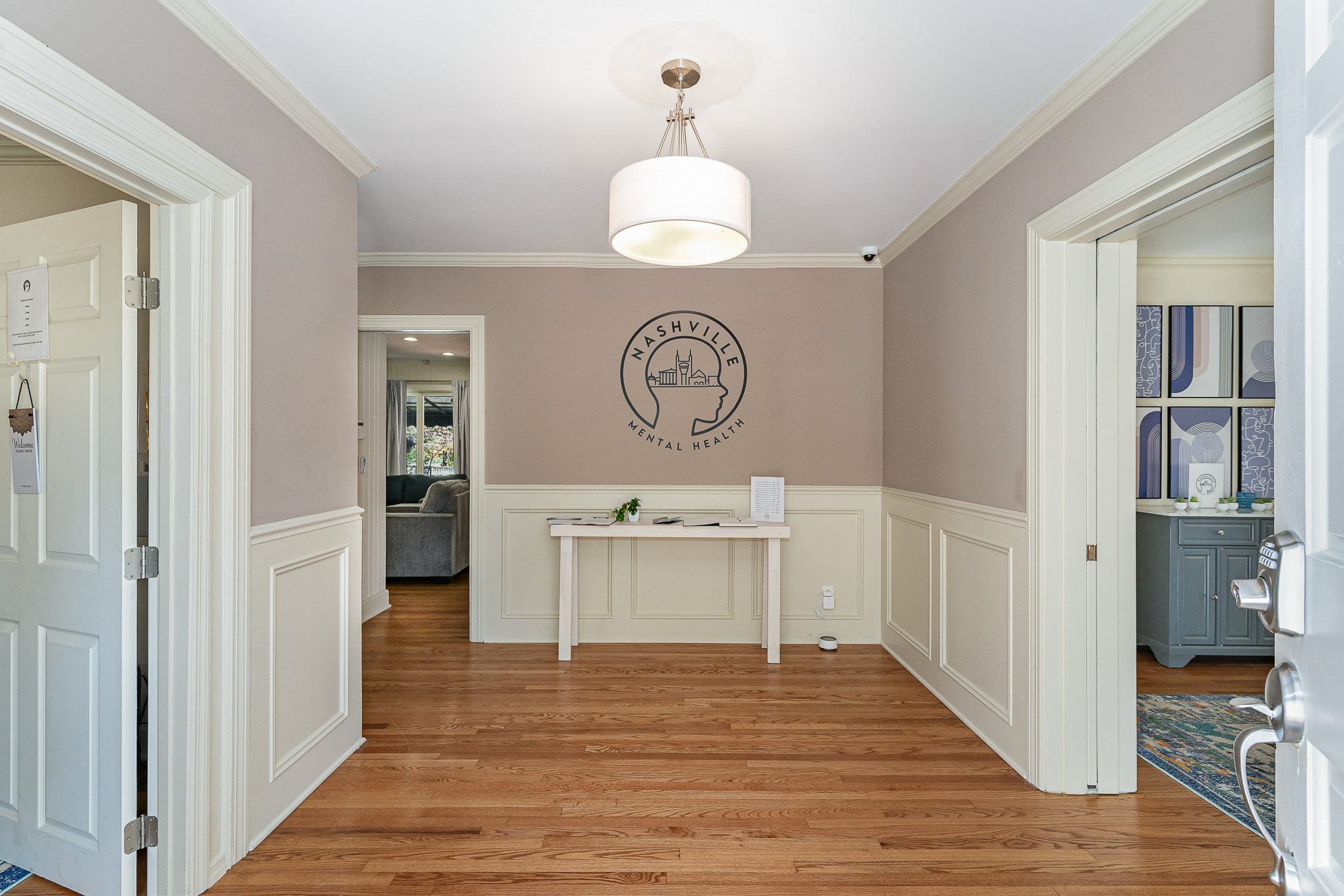
You need not continue to live in fear. Nashville Mental Health is a caring team that focuses on phobia treatment options for adults with the most effective and evidence-based methods. Regardless of whether you have a social anxiety issue, certain fears, or more complicated anxiety disorders, we design an individual plan that fits your life.
Our therapists will offer experience in exposure therapy, cognitive behavioral therapy, and psychological counseling to ensure that you recover on your own time. Make that initial courageous step today. Book your appointment and start your path to recovery.

FAQs
-
How long does exposure therapy typically take to reduce phobia symptoms?
Most adults notice real improvement after completing eight to 12 focused therapy sessions. Your therapist will adjust the pace depending on your personal comfort and progress. Staying consistent with sessions makes exposure therapy work faster and more effectively.
-
Can cognitive behavioral therapy work without medication for severe anxiety disorders?
Yes, cognitive behavioral therapy alone has strong evidence for treating severe anxiety effectively. Many adults achieve full recovery using therapy without any medication at all. Your licensed therapist will assess which approach best matches your specific anxiety disorder.
-
Which desensitization method works fastest for social phobia and agoraphobia?
Virtual reality desensitization shows fast, strong results for social phobia and agoraphobia patients. Systematic desensitization combined with CBT also produces quick and measurable improvements over time. Your therapist will recommend the best method based on your unique symptoms.
-
How does psychological counseling combined with medication improve treatment outcomes?
Medication reduces intense physical anxiety symptoms, so counseling sessions feel more manageable overall. Therapy then addresses root thought patterns that medication alone cannot fully resolve effectively. Together, they create a faster, more complete path to overcoming difficult phobia symptoms.
-
Are phobia treatment options effective for adults over 50 with lifelong fears?
Absolutely yes, phobia treatment options for adults work effectively regardless of your current age. The brain remains capable of learning new, healthier responses to fear at any age. Many adults over 50 fully recover through consistent and properly guided mental health treatment.